
For those entering their 30s, fitness often begins to feel different. Over time, exercises that once worked quickly no longer deliver the same results. As a result, fat becomes harder to lose, muscle tone fades faster, and recovery takes longer. Because of this, if you’ve been wondering why your workouts don’t seem to work like they used to, the reason is often simple: your body needs strength training more than ever after 30.
The good news, however, is that you don’t need a gym membership, heavy equipment, or extreme routines. In fact, the best strength training exercises after 30 can be done at home to build muscle, burn fat, protect your joints, and feel strong again — all without exhausting your body.
Additionally, many of these changes are influenced by natural hormonal shifts. If this sounds familiar, you may want to read:
👉 How Hormonal Changes Affect Fitness After 30
Why Strength Training Becomes Essential After 30
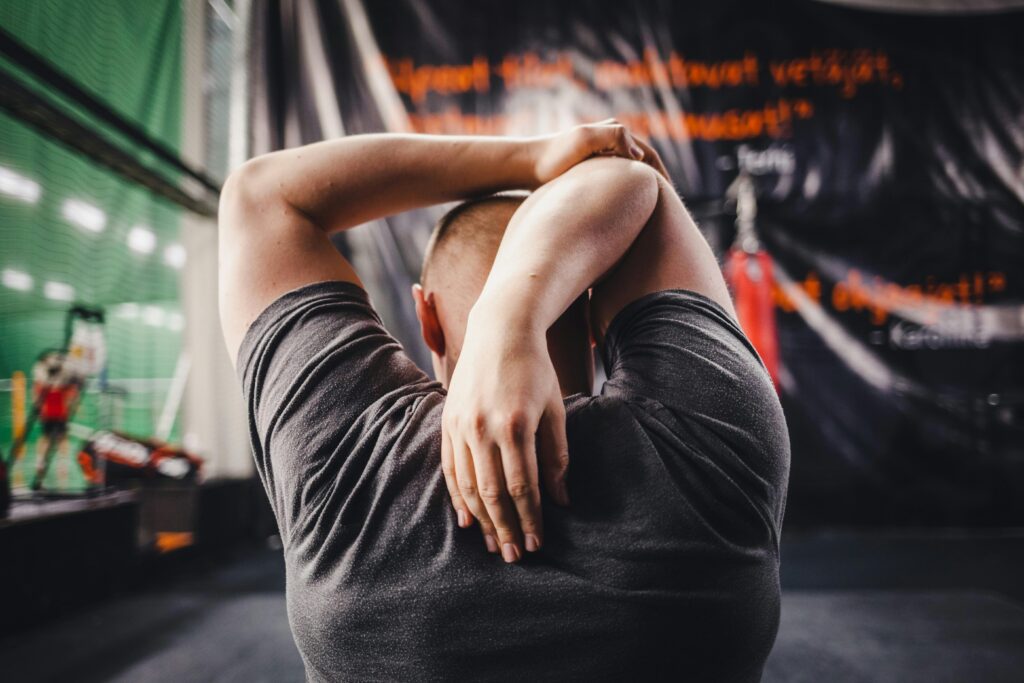
After 30, the body naturally loses muscle mass in a process called sarcopenia. According to the U.S. National Institutes of Health, adults can lose 3–8% of muscle mass per decade if they do not perform resistance exercises.
This muscle loss can lead to:
- Slower metabolism
- Increased belly fat
- Reduced strength and stamina
- Higher risk of joint pain and injuries
- Poor posture and balance
Strength training helps reverse these effects by:
- Preserving and building lean muscle
- Boosting metabolism, even at rest
- Supporting hormone balance
- Strengthening bones and joints
- Improving posture, confidence, and daily energy
If stubborn belly fat is a concern, check out:
👉 How to Lose Belly Fat After 30 Without Extreme Diets
Can You Do Strength Training After 30 Without a Gym?
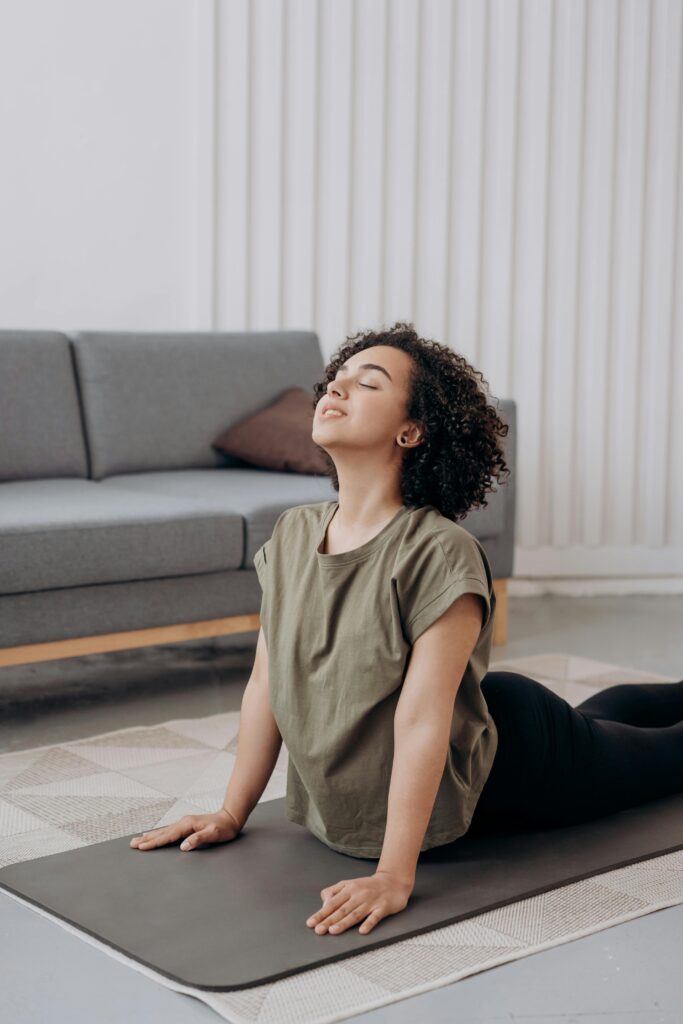
Absolutely. Bodyweight strength training is one of the safest and most effective options for adults over 30 because it:
- Reduces injury risk
- Is gentler on joints
- Builds functional, real-life strength
- Fits easily into busy schedules
If you’re just starting, this guide can help you build a strong foundation:
👉 How to Stay Fit After 30
All you need is your body, consistency, and proper form.
Best Strength Training Exercises After 30 (Beginner-Friendly)
These exercises are joint-friendly, effective, and ideal for adults 30+.
1. Squats (Lower Body & Core)
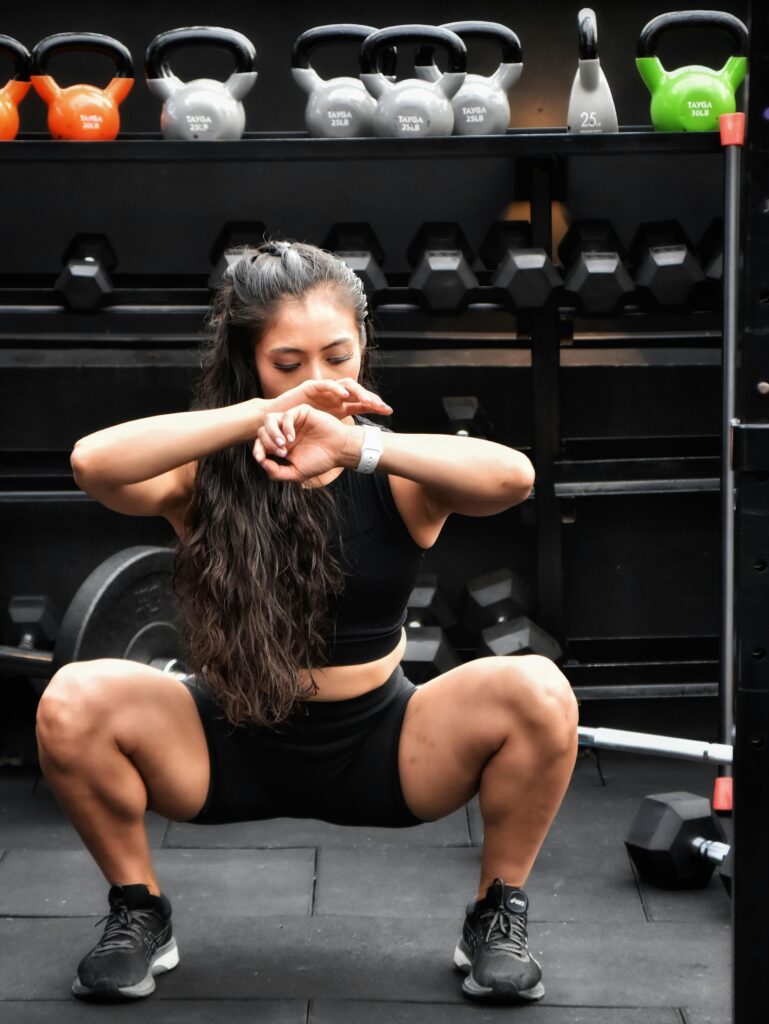
Squats strengthen the legs, glutes, and core — essential for everyday movement.
Benefits
- Builds lower-body strength
- Supports knee and hip stability
- Boosts metabolism
How to do it: Stand with your feet shoulder-width apart. Next, push your hips back, bend your knees, and lower yourself as if sitting on a chair. Throughout the movement, keep your chest upright.
Tip: If you’re a beginner, start with chair squats for added support and confidence.
2. Push-Ups (Upper Body & Core)

Push-ups strengthen the chest, shoulders, arms, and core.
Benefits
- Improves upper-body strength
- Enhances posture
- Activates core muscles
Beginner options: Wall push-ups or knee push-ups.
3. Glute Bridges (Lower Back & Hips)
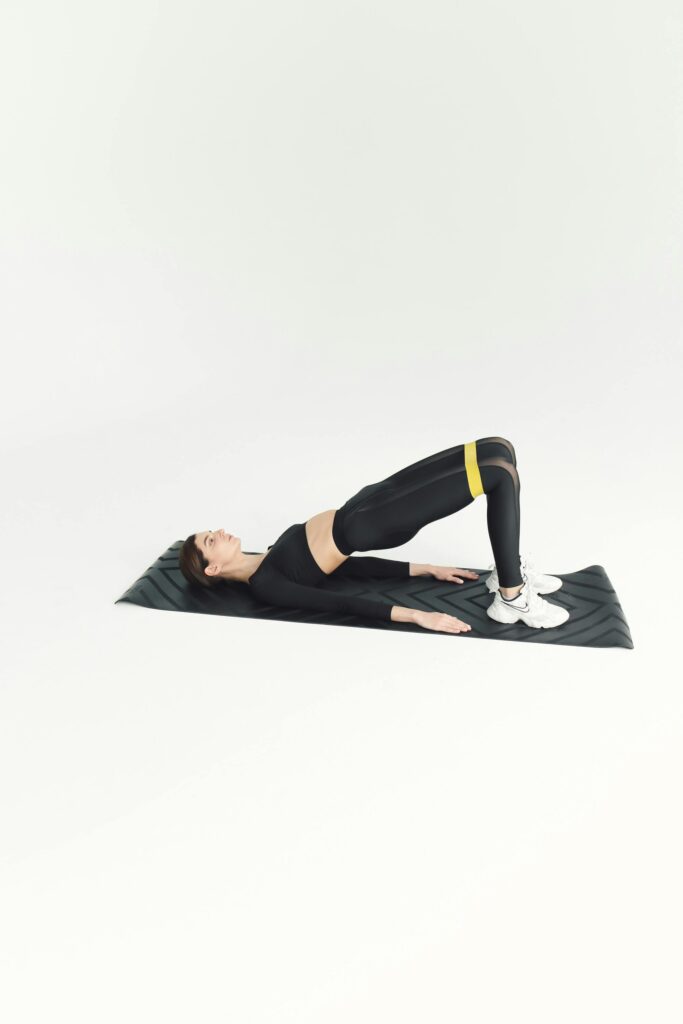
Prolonged sitting weakens the glutes, causing back pain. Glute bridges correct this imbalance.
Benefits
- Reduces lower-back strain
- Strengthens hips and glutes
- Improves posture
4. Plank (Core Stability)
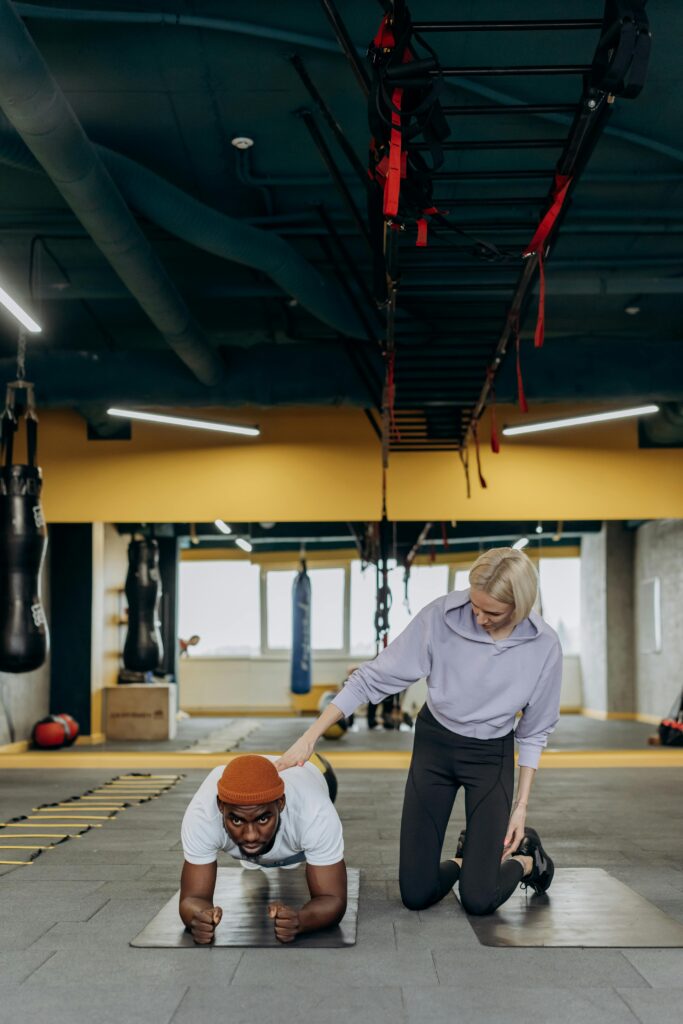
Planks primarily strengthen the deep core muscles that play a vital role in supporting the spine.
As a result, key benefits include:
Lower injury risk, especially during lifting and daily activities. Start with 15–30 seconds and increase gradually.
Better spinal protection reduces strain on the lower back
Improved balance and stability, which support everyday movement
5. Lunges (Balance & Strength)
Lunges improve balance while strengthening both legs evenly.
Benefits
- Builds leg and glute strength
- Improves coordination
- Enhances joint stability
Use a wall or chair for balance if needed.
6. Wall Sits (Endurance & Leg Strength)
Wall sits are simple but effective for building lower-body endurance.
Benefits
- Strengthens thighs
- Supports knee health
- Builds muscular endurance
7. Superman Hold (Back Strength)
This exercise targets lower back muscles, often neglected after 30.
Benefits
- Improves posture
- Reduces stiffness
- Strengthens spine-supporting muscles
How Often Should You Strength Train After 30?
Most adults benefit from:
- 2–4 strength workouts per week
- 20–40 minutes per session
- 1–2 rest days between sessions
If your goal is to run stronger, faster, and injury-free, pairing running with strength exercises is essential. Moreover, this is particularly important for those over 30, who may experience slower recovery and age-related muscle loss. Consequently, our detailed guide on Strength Training for Runners Over 30 provides a complete weekly plan, effective exercises, and key strategies to enhance endurance and prevent injuries.
Consistency is more important than intensity.
Sample Weekly Strength Training Routine (At Home)
Day 1
- Squats – 3 × 10
- Push-ups – 3 × 8
- Plank – 30 seconds
Day 2
- Glute bridges – 3 × 12
- Lunges – 3 × 8 per leg
- Superman hold – 20 seconds
Day 3: Rest or light walking
Day 4: Repeat Day 1 or Day 2
Common Strength Training Mistakes After 30
Some of the most common mistakes include:
- Relying only on cardio
- Overtraining without recovery
- Ignoring warm-ups
- Using poor form
These issues are explained in more detail here:
👉 Common Fitness Mistakes After 30 (And How to Avoid Them)
Nutrition Tips to Support Strength Training After 30

Exercise alone isn’t enough. Proper nutrition is essential:
- Eat sufficient protein for muscle repair
- Include healthy fats for hormone balance
- Stay hydrated
- Avoid extreme calorie restriction
According to Harvard Health, strength training benefits metabolism, bone density, and overall long-term health — not just muscle tone.
FAQ: Strength Training After 30
Q1: Why is strength training important after 30?
A: Strength training is important because it preserves lean muscle, boosts metabolism, and strengthens bones and joints. In addition, it improves posture and increases overall energy levels.
Q2: Can I do strength training at home without a gym?
A: Yes! In fact, bodyweight exercises such as squats, push-ups, lunges, planks, glute bridges, wall sits, and Superman holds are both safe and effective for at-home workouts.
Q3: How often should I strength train after 30?
A: Most adults benefit from 2–4 sessions per week, lasting 20–40 minutes each, with 1–2 rest days between sessions for proper recovery.
Q4: Can strength training help reduce belly fat after 30?
A: Yes, strength training preserves muscle and boosts metabolism. When combined with a healthy diet, it effectively supports fat loss. For more guidance, see our article: How to Lose Belly Fat After 30 Without Extreme Diets.
Q5: What are common mistakes to avoid when strength training?
A: To stay safe and see results, avoid skipping strength training altogether. Additionally, overtraining, skipping warm-ups, and using poor form should be avoided to prevent injuries.
Q6: Do I need special nutrition for strength training?
A: Yes. To support your workouts, eat enough protein, include healthy fats, stay well-hydrated, and avoid extreme calorie restriction for optimal results.
Final Thoughts: Strength Is the Secret After 30
Strength training is the most important fitness habit after 30. Not only does it protect metabolism, but it also supports fat loss, balances hormones, and helps you feel confident in your body.
Best of all, you don’t need a gym.
You also don’t need extreme workouts.
Instead, smart, consistent strength training delivers lasting results.
Wherever you’re starting, be patient and stay consistent. Over time, let strength transform your body — one workout at a time.
5 thoughts on “Best Strength Training Exercises After 30 (No Gym Required)”