
Science-Backed Tips for Faster Muscle Repair
If you’re over 30 and feel sore for days after a workout, you’re not imagining things. Recovery truly changes after 30, and ignoring it can slow progress, increase injury risk, and even stall fat loss.
While most people focus on workouts and diet, recovery is the missing link that determines how well your body adapts, repairs, and grows stronger. In fact, without proper recovery, even the best training plan will fail.
At FitnessAfterThirty, we emphasize realistic, sustainable fitness. Therefore, this guide will explain why recovery matters more after 30 and share science-backed, practical tips to help your muscles repair faster—without extreme methods or expensive supplements.
Understanding What Changes in Your Body After 30
Scientific research also confirms that recovery becomes more important with age. Studies published by the National Institutes of Health (NIH) show that muscle protein synthesis declines with age, meaning the body takes longer to repair and rebuild muscle tissue after exercise. This is why prioritizing proper sleep, balanced nutrition, and adequate rest is essential for long-term strength, injury prevention, and sustainable fitness after 30.
Before diving into recovery strategies, it’s important to understand why recovery slows down with age.
1. Muscle Protein Synthesis Declines
After 30, the body becomes slightly less efficient at repairing muscle tissue. As a result, muscle protein synthesis—the process that rebuilds muscles after workouts—slows down.
2. Hormonal Shifts
Levels of growth hormone and testosterone gradually decrease with age. Consequently, recovery takes longer, soreness lasts longer, and muscle gains require more intentional rest.
3. Increased Stress Load
By your 30s, life stress often increases—due to jobs, families, and responsibilities. Since stress raises cortisol levels, it directly interferes with recovery and fat loss, including stubborn belly fat (learn more here).
Because of these changes, recovery is no longer optional—it becomes essential.
Why Recovery Is Just as Important as Exercise After 30
Many people believe that working harder leads to better results. However, after 30, working smarter is the real key.
Recovery allows your body to:
- Repair micro-tears in muscles
- Reduce inflammation
- Restore energy levels
- Balance hormones
- Prevent overuse injuries
Without adequate recovery, workouts actually break your body down instead of building it up.
This is especially important if you follow strength training routines, which are highly recommended after 30 (see why here).
The Science of Muscle Repair (Made Simple)

When you exercise, especially during resistance training, you create tiny tears in your muscle fibers. During recovery, your body repairs these tears, making muscles stronger and more resilient.
However, this repair process requires:
- Adequate protein
- Sufficient rest
- Proper circulation
- Low chronic stress
If any of these are missing, recovery slows—and progress suffers.
1. Sleep: The Ultimate Recovery Tool After 30

First and foremost, sleep is non-negotiable.
During deep sleep:
- Growth hormone is released
- Muscles repair and rebuild
- Inflammation decreases
Aim for 7–9 hours of quality sleep every night. Moreover, consistent sleep timing matters just as much as duration.
Simple sleep tips:
- Avoid screens 1 hour before bed
- Keep your room cool and dark
- Maintain a consistent bedtime
Without enough sleep, even the most optimal nutrition won’t fully support recovery.
2. Nutrition: Fueling Muscle Repair the Right Way
Recovery starts in the kitchen. However, many adults unknowingly sabotage recovery with common mistakes (read more here).
Protein Intake Matters More After 30
Protein provides the amino acids your muscles need to rebuild. Therefore, aim for high-quality protein at every meal, such as:
- Eggs
- Greek yogurt
- Lentils and beans
- Lean meats or fish
Don’t Fear Carbs
Carbohydrates help replenish glycogen, which fuels muscle repair. When balanced properly, carbs actually support recovery and hormone balance.
Hydration Is Often Overlooked
Even mild dehydration slows muscle recovery. Drink water consistently throughout the day, not just during workouts.
3. Rest Days: Why More Isn’t Always Better
One major mistake people make after 30 is training too frequently.
While movement is important, your muscles need time to recover. In fact, most adults over 30 benefit from:
- 3–4 strength workouts per week
- Active recovery days (walking, stretching)
- At least one full rest day
Remember, progress happens between workouts—not during them.
4. Active Recovery: Move to Heal, Not to Exhaust
Instead of complete inactivity, active recovery helps increase blood flow and reduce stiffness.
Great active recovery options include:
- Walking
- Light yoga
- Mobility drills
- Gentle stretching
These activities support recovery while keeping you consistent—a core principle of staying fit after 30 (learn more).
5. Mobility & Flexibility: Protecting Your Joints
As we age, joints often become stiffer if mobility is ignored. Consequently, poor mobility increases injury risk and delays recovery.
Focus on:
- Hip mobility
- Thoracic spine movement
- Shoulder flexibility
Just 10 minutes a day can significantly improve how your body feels and recovers.
6. Stress Management: The Hidden Recovery Killer
Chronic stress raises cortisol, which directly interferes with muscle repair and fat loss. Therefore, managing stress is part of recovery.
Effective stress-reduction strategies include:
- Deep breathing
- Short walks outdoors
- Mindfulness or journaling
- Limiting overtraining
This is especially relevant if you’re trying to stay fit long-term (practical tips here).
7. Supplements: Helpful but Not Mandatory
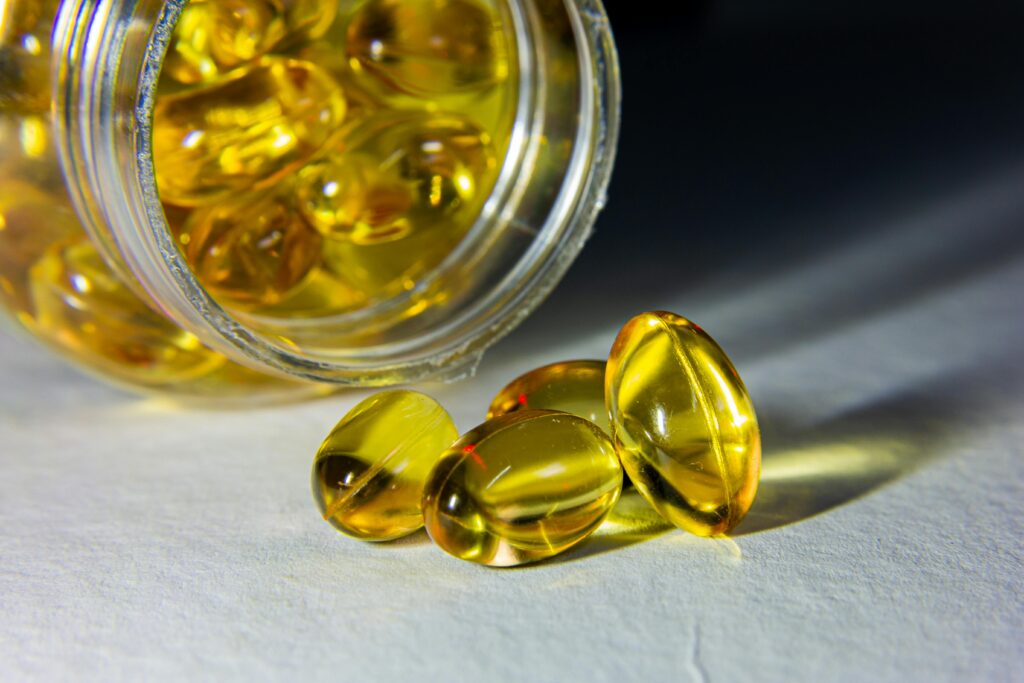
Supplements can support recovery, but they are not magic solutions.
Helpful options include:
- Whey or plant protein
- Magnesium (for sleep and muscle relaxation)
- Omega-3 fatty acids
However, supplements should support a solid foundation of sleep, nutrition, and training—not replace it.
Common Recovery Mistakes After 30
Even well-intentioned people make mistakes that slow recovery, such as:
- Training through constant soreness
- Skipping warm-ups and cool-downs
- Under-eating protein
- Ignoring sleep quality
Avoiding these mistakes can dramatically improve results without adding more workouts.
How Proper Recovery Supports Fat Loss After 30
Interestingly, better recovery also helps with fat loss. When your body is well-rested:
- Insulin sensitivity improves
- Hunger hormones balance
- Cortisol decreases
This makes it easier to lose stubborn fat, particularly around the belly (detailed guide here).
Building a Sustainable Fitness Lifestyle After 30
Recovery isn’t about doing less—it’s about doing what works long-term.
At FitnessAfterThirty, our goal is to help you build habits you can maintain for life. Whether you’re strength training, improving nutrition, or simply staying active, recovery ensures your efforts actually pay off.
For more practical guidance, explore:
- Our main resource hub: https://fitnessafterthirty.com/blog/
- Our approach to realistic fitness: https://fitnessafterthirty.com/home-page-fitnessafterthirty-com/
Final Thoughts: Train Hard, Recover Smarter
After 30, your body isn’t broken—it’s just different. When you respect recovery, your body responds with:
- Better energy
- Faster muscle repair
- Improved strength
- Sustainable fat loss
Ultimately, recovery is not a weakness—it’s a strategy.
If you train smart, fuel well, manage stress, and prioritize rest, fitness after 30 doesn’t decline—it improves.
4 thoughts on “Why Recovery After 30 Matters: Strength, Health & Performance”