
Orbital fat loss after weight loss is a common reason for sunken or hollow-looking eyes. When the body loses fat rapidly, the fat around the eye socket may shrink, causing a tired and aged appearance. Understanding the causes, symptoms, and recovery options can help you manage this condition safely.
Orbital fat loss is a concern that many people notice after significant or rapid weight loss, especially after the age of 30. You may feel healthier, lighter, and more energetic, yet your face—particularly the eye area—can look tired, hollow, or aged. This contrast often leads to confusion and worry.
This article explains what orbital fat loss is, why it happens after weight loss, how to recognize it early, and—most importantly—safe, realistic ways to manage and prevent it. The focus is on education, lifestyle balance, and long‑term health, not risky shortcuts.
What Is Orbital Fat Loss? (Simple Meaning)
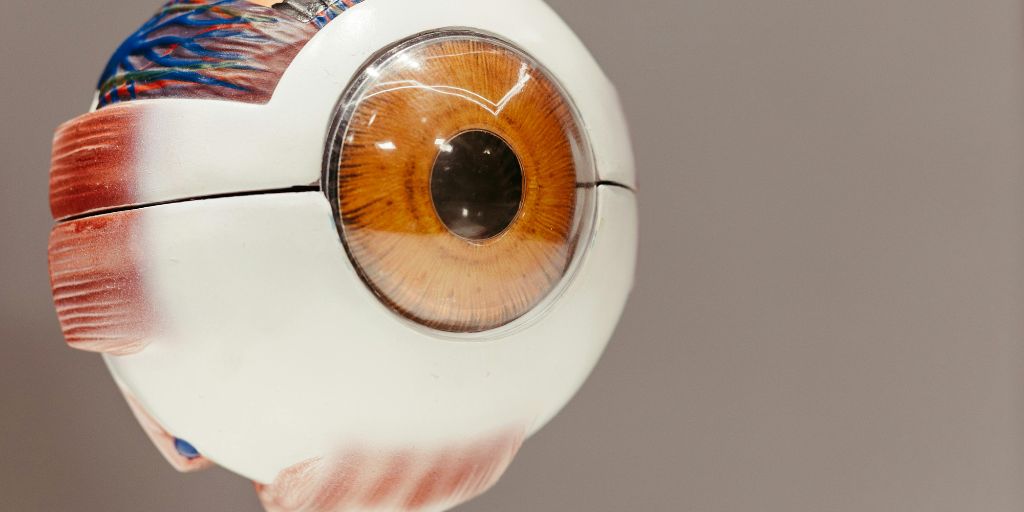
Orbital fat refers to the natural fat pads around the eyes that support the eyeball and give the face a youthful, well‑rested appearance. These fat pads act as cushioning and structural support.
When orbital fat reduces, the eyes may appear:
- Sunken or hollow
- Darker underneath
- More tired or aged
- Sharper around the bone structure
Orbital fat loss is not a disease. Instead, it is a physical change that can occur due to aging, genetics, lifestyle factors, or rapid overall fat loss.
Why Orbital Fat Loss Happens After Weight Loss
Weight loss affects the body globally, not just in targeted areas like the belly or thighs. As a result, facial fat—including orbital fat—can unintentionally.
1. Rapid Weight Loss
First and foremost, losing weight too quickly gives the body little time to adapt. When fat loss is aggressive, the face often loses volume faster than other areas, making changes more noticeable.
2. Age-Related Fat Redistribution
After 30, the body naturally starts redistributing fat and losing collagen. Consequently, when weight loss occurs at this stage of life, facial fat loss becomes more visible compared to younger individuals.
3. Calorie Restriction and Nutrient Deficiency
Extreme dieting can lead to deficiencies in:
- Healthy fats
- Protein
- Micronutrients like zinc and vitamin B12
Over time, this may contribute to loss of skin elasticity and facial fullness.
4. Hormonal Changes
Hormones influence fat storage. Stress hormones, thyroid imbalance, or prolonged calorie deficits may indirectly contribute to orbital fat loss.
5. Genetics
Some people are genetically predisposed to lose facial fat earlier or more noticeably, even with moderate weight loss.
Common Symptoms of Orbital Fat Loss
Although symptoms vary, many people report:
- Hollow or sunken appearance around the eyes
- Increased visibility of eye sockets
- Dark circles that were not present before
- A tired or aged facial look despite good health
Importantly, these changes are cosmetic and not usually linked to vision problems.
Is Orbital Fat Loss Dangerous?
In most cases, orbital fat loss is not medically dangerous. However, it can affect self‑confidence and emotional well‑being. For this reason, understanding safe prevention and management strategies is essential.
Medical evaluation may be recommended if changes are sudden, severe, or accompanied by other symptoms such as pain, swelling, or vision changes.
Orbital Fat Loss Before vs After Changes
Before orbital fat loss, the area around the eyes appears naturally full, smooth, and youthful. The under-eye region looks firm with minimal shadows or hollowness, giving the face a healthy and refreshed appearance.
After orbital fat loss, the eyes may look sunken or hollow due to reduced fat around the eye socket. This can create a tired, aged, or slightly darker appearance under the eyes. In some individuals, the change is mild, while in others it becomes more noticeable after rapid weight loss, aging, stress, or nutritional deficiency.
Maintaining a stable weight, staying well-hydrated, and following balanced nutrition may help slow further fat loss and support a healthier under-eye appearance over time.
Safe and Natural Ways to Reduce the Impact of Orbital Fat Loss
There is no guaranteed way to restore orbital fat naturally. However, several safe strategies can help reduce progression and improve appearance.
1. Choose Slow, Sustainable Weight Loss
Instead of rapid fat loss, aim for gradual weight reduction. This allows the body—and face—to adapt more smoothly.
If belly fat is your primary concern, focusing on balanced strategies can help. You may find this guide helpful:
2. Include Healthy Fats in Your Diet
Healthy fats support skin and facial structure. Prioritize:
- Nuts and seeds
- Avocados
- Olive oil
- Fatty fish (if suitable for you)
Rather than relying on shortcuts, understand what actually works. This article explains it clearly:
3. Focus on Protein Intake
Protein supports muscle and skin integrity. Adequate intake may help maintain facial firmness during weight loss.
4. Hydration and Sleep
Although hydration cannot replace lost fat, it helps reduce the appearance of hollowness and dark circles. Likewise, quality sleep supports hormonal balance and skin repair.
5. Facial Muscle Engagement
Gentle facial movements and awareness may improve circulation around the eyes. While evidence is limited, these practices are low‑risk and may support overall facial health.
What to Avoid (Hidden Risks)
To stay safe, avoid:
- Extreme calorie deficits
- Unregulated supplements promising “spot fat control.”
- Aggressive detox or starvation diets
- Medical procedures without professional consultation
Orbital fat loss cannot be safely targeted through quick fixes. Any claim suggesting instant reversal should be approached with caution.
Lifestyle Habits That Support Facial Health After 30
Beyond diet, lifestyle choices play a key role:
- Manage stress to reduce cortisol impact
- Avoid smoking and excessive alcohol use
- Use sun protection to preserve skin quality
- Track overall health metrics using reliable tools
If you’re exploring health tracking, this guide may help:
Can Orbital Fat Loss Be Reversed?
Naturally, complete reversal is unlikely. However, slowing progression and improving facial appearance is achievable through:
- Balanced nutrition
- Sustainable fat loss
- Skin care and hydration
- Professional guidance when needed
In medical settings, cosmetic interventions exist, but they should only be considered after understanding risks and consulting qualified professionals.
Emotional Impact and Body Image
It’s important to acknowledge that changes in facial appearance can affect confidence. Feeling concerned does not mean you are unhealthy or doing something wrong.
Weight loss is a positive step for long‑term health. The goal is balance—not perfection.
Rapid weight loss methods like extreme detox or salt-based drinks can sometimes worsen facial fat loss. Read: Pink Himalayan Salt for Weight Loss – Myth or Real? https://fitnessafterthirty.com/pink-salt-recipe-for-weight-loss/
Frequently Asked Questions (FAQs)
1. Is orbital fat loss permanent?
Not always. Mild cases may improve with nutrition, hydration, and weight stabilization.
2. Can weight loss cause sunken eyes?
Yes, rapid fat loss can reduce fat around the eye socket.
3. How long does orbital fat loss last?
Depends on the cause. Temporary in some, long-term in others.
4. Can exercise restore orbital fat?
No direct exercise restores it, but a healthy weight + nutrition helps.
Trusted External Resources (For Further Reading)
For readers who want a deeper medical and scientific context, the following authoritative external resources provide reliable, evidence-based information related to facial fat, aging, and weight loss:
- Mayo Clinic – Healthy Weight Loss Basics
https://www.mayoclinic.org/healthy-lifestyle/weight-loss - Cleveland Clinic – Facial Aging and Volume Loss
https://health.clevelandclinic.org/facial-aging - National Institutes of Health (NIH) – Body Fat Distribution & Aging
https://www.ncbi.nlm.nih.gov/pmc/articles/PMC3534624/
These sources are widely trusted by healthcare professionals and help support safe, informed decision-making.
Final Thoughts
Orbital fat loss after weight loss is a common and often misunderstood change, especially after 30. While it cannot be completely prevented or reversed, it can be managed safely through mindful weight loss, balanced nutrition, and healthy lifestyle habits.
Rather than chasing quick fixes, focusing on sustainable health protects both your body and appearance in the long run.
For more evidence-based guidance on fitness and health after 30, explore the resources available on:
Sustainable health always outweighs quick results—and your body will thank you for choosing bal
2 thoughts on “Sunken Eyes After Weight Loss? Orbital Fat Loss Causes, Before-After & Can It Be Reversed”