Nipah Virus in India (2026): Facts, Symptoms, and Public Health Response. In recent years, emerging infectious diseases have become a major concern worldwide. Among them, the Nipah virus remains one of the most serious yet less commonly understood health threats. As India reports Nipah virus cases again in 2026, it has become increasingly important to rely on factual, calm, and well-structured information rather than fear-driven narratives.
This article explains the Nipah virus situation in India (2026) in detail—covering verified facts, symptoms, transmission routes, prevention strategies, and the public health response—while also highlighting the importance of overall health resilience, especially for adults over 30.
What Is the Nipah Virus?
The Nipah virus (NiV) is zoonotic, meaning it spreads from animals to humans. First identified in Malaysia in 1998, the virus has since caused outbreaks in parts of South and Southeast Asia. Fruit bats, particularly Pteropus species, are the virus’s natural hosts.
What makes the Nipah virus particularly dangerous is its high fatality rate, combined with the absence of a licensed vaccine or specific antiviral treatment. As a result, prevention, early diagnosis, and supportive care remain the cornerstone of management.
Nipah Virus in India: Context and History
India has previously reported Nipah virus outbreaks, mainly in southern regions. However, the 2026 cases have emerged in eastern India, prompting heightened surveillance and immediate containment measures.
Importantly, Indian health authorities have emphasized that while the virus is serious, the outbreak is limited and under control. Early isolation, rapid contact tracing, and public advisories have played a key role in reducing transmission risk.
Current Situation in India (2026)
As of 2026, confirmed Nipah virus cases in India remain low in number. Nevertheless, health departments have activated emergency protocols, including:
- Rapid response medical teams
- Isolation of confirmed cases
- Monitoring of close contacts
- Strengthened infection control in hospitals
In addition, international bodies such as the World Health Organization (WHO) continue to monitor the situation closely:
👉 https://www.who.int
How the Nipah Virus Spreads
Understanding transmission helps reduce unnecessary fear and enables effective prevention.
Animal-to-Human Transmission
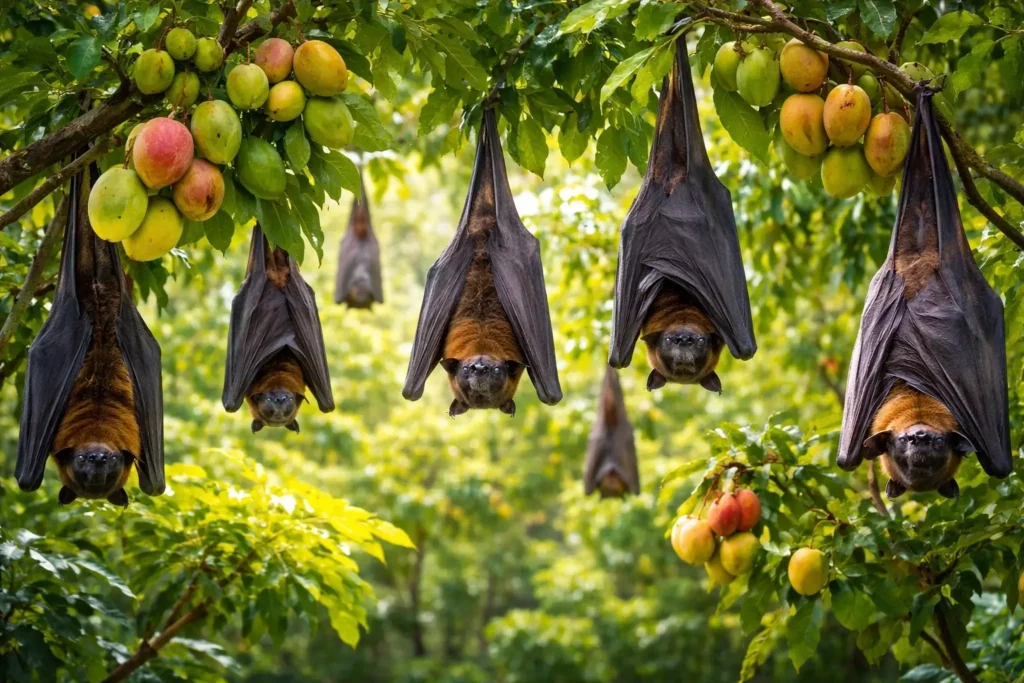
The virus can spread when humans:
- Consume fruits contaminated by bats
- Drink raw or unprocessed date palm sap
- Handle infected animals
Human-to-Human Transmission
In certain cases, Nipah spreads through:
- Close physical contact
- Exposure to bodily fluids
- Poor hygiene or inadequate hospital precautions
Therefore, awareness and hygiene practices are critical.
Symptoms of Nipah Virus Infection
Early Symptoms
- Fever
- Headache
- Muscle pain
- Fatigue
- Sore throat
Severe Symptoms
As the infection progresses:
- Breathing difficulty
- Confusion and disorientation
- Seizures
- Encephalitis (brain inflammation)
- Coma
Because early symptoms resemble flu, seeking medical care early is essential.
Why Nipah Virus Is a High-Risk Disease
Health experts classify the Nipah virus as high-risk due to:
- Mortality rates ranging from 40% to 75%
- No approved vaccine
- Neurological complications
- Possibility of human-to-human spread
For this reason, agencies such as the Centers for Disease Control and Prevention (CDC) track Nipah closely:
👉 https://www.cdc.gov
Diagnosis and Treatment
Diagnosis
Nipah virus is diagnosed through laboratory testing, such as RT-PCR, in specialized facilities.
Treatment
There is currently no specific cure. Treatment focuses on:
- Supportive hospital care
- Managing respiratory distress
- Neurological monitoring
Early intervention significantly improves outcomes.
Public Health Response in India (2026)
India’s response has been swift and structured, including:
- Surveillance in high-risk regions
- Public health advisories
- Training healthcare workers
- Awareness campaigns
Such measures help ensure outbreaks remain contained rather than widespread.
Prevention: Practical Steps for Individuals
Although no vaccine exists, prevention is highly effective when guidelines are followed.
Personal Safety Measures
- Wash fruits thoroughly
- Avoid fallen or partially eaten fruits
- Avoid raw date palm sap
- Maintain hand hygiene
- Avoid close contact with infected individuals
The Role of Overall Fitness and Immunity After 30
For adults over 30, this outbreak highlights the importance of long-term health habits. While fitness does not prevent infection directly, strong physical health supports recovery and resilience.
Consistent strength training, for example, improves immune function and metabolic health. If you are a runner, incorporating resistance work is essential:
👉 https://fitnessafterthirty.com/strength-training-for-runners-over-30/
Likewise, wearable technology can help track overall activity and recovery patterns:
👉 https://fitnessafterthirty.com/fitness-band-guide-after-30/
Nutrition, Recovery, and Health Awareness
Nutrition mistakes can weaken immunity over time. Many adults unknowingly make dietary errors that affect energy and recovery:
👉 https://fitnessafterthirty.com/nutrition-mistakes-after-30/
Proper recovery is equally important, as muscle repair and immune balance are closely linked:
👉 https://fitnessafterthirty.com/recovery-after-30-muscle-repair/
Even simple habits—such as adequate protein intake or healthy fats like peanut butter—can support overall wellness when chosen wisely:
👉 https://fitnessafterthirty.com/my-fitness-peanut-butter-review-after-30/
Physical Fitness Certification and Health Readiness
Staying physically active also aligns with broader health readiness initiatives, including fitness certifications required for employment or education:
👉 https://fitnessafterthirty.com/physical-fitness-certificate-2026/
Building strength after 30 is not about extremes—it’s about consistency and sustainability:
👉 https://fitnessafterthirty.com/strength-training-after-30/
Avoiding Panic and Misinformation
One of the biggest risks during health scares is misinformation. Therefore:
- Trust official health agencies
- Avoid sensational headlines
- Share only verified updates
Calm, informed communities respond better to outbreaks.
Conclusion
In conclusion, the Nipah virus in India (2026) is a serious but well-managed public health situation. With early detection, responsible behavior, and strong healthcare systems, outbreaks can be controlled effectively.
Staying informed, maintaining good hygiene, and supporting overall health—especially after 30—are practical steps everyone can take. Awareness, not fear, is the most powerful tool against emerging health threats.
Looking to take your fitness and well-being to the next level after 30? Visit the Fitness After Thirty Homepage for practical advice, workouts, and lifestyle tips tailored for adults over 30.
Frequently Asked Questions (FAQs) About Nipah Virus in India (2026)
1. What is the Nipah virus?
The Nipah virus (NiV) is a zoonotic virus that spreads from animals to humans. Fruit bats are its natural hosts, and the virus can cause severe respiratory and brain-related illness.
2. Is there a Nipah virus outbreak in India in 2026?
Yes, limited Nipah virus cases have been reported in India in 2026, but health authorities have confirmed that the situation is under control.
3. How does the Nipah virus spread?
Nipah virus spreads through contact with infected bats or animals, contaminated fruits, raw date palm sap, and close contact with infected individuals.
4. What are the early symptoms of Nipah virus?
Early symptoms include fever, headache, muscle pain, fatigue, and sore throat. Symptoms can worsen quickly, so early medical care is important.
5. How dangerous is the Nipah virus?
Nipah virus is high-risk due to its high mortality rate (40–75%), lack of a vaccine, and potential neurological complications.
6. Is there a vaccine or treatment for the Nipah virus?
Currently, there is no approved vaccine or specific treatment. Care focuses on managing symptoms in hospital settings.
7. Can the Nipah virus be prevented?
Yes. Prevention includes washing fruits, avoiding raw date palm sap, maintaining hand hygiene, and avoiding close contact with infected individuals.
8. Is the Nipah virus as contagious as COVID-19?
No. Nipah virus spreads mainly through close contact and is not airborne, making it less contagious than COVID-19.
9. Should people in India be worried about the Nipah virus in 2026?
There is no need for panic. Cases are limited and well-managed. Staying informed and following health advisories is enough.
10. When should medical help be sought?
Seek medical care for persistent fever, breathing difficulty, confusion, or seizures—especially after exposure to affected areas or individuals.
1 thought on “Nipah Virus in India (2026):Facts, Symptoms, and Public Health Response”