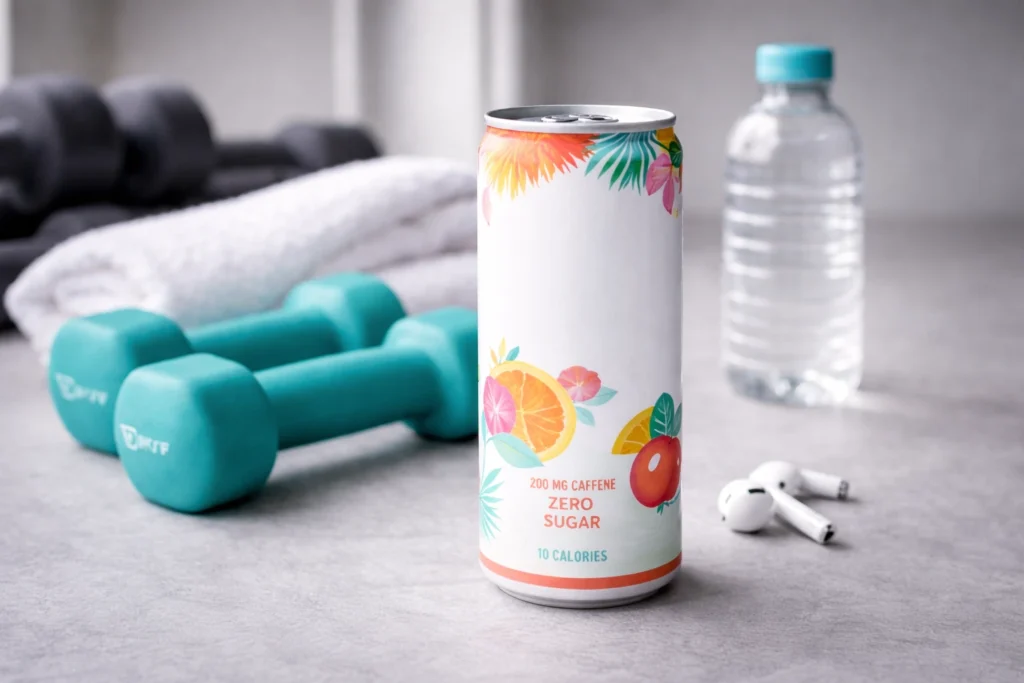
Many people over 30 are turning to Alani energy drinks as a quick way to boost metabolism and support weight loss. But is Alani energy drink actually good for weight loss, or is it just clever marketing?
After 30, metabolism naturally slows down, hormones begin to shift, and fat loss can become more challenging. Because Alani contains caffeine, L-carnitine, and B vitamins, it may temporarily increase energy levels and slightly raise calorie burn. However, no energy drink directly burns fat on its own.
In this article, we’ll break down whether Alani energy drinks truly support weight loss after 30, how the ingredients affect your metabolism, and what potential side effects you should consider before adding it to your routine.
What is Alani Energy Drink?
Alani Energy Drink is a low-calorie, flavored energy beverage marketed toward fitness-focused individuals. It typically contains around 200mg of caffeine per can, along with ingredients like L-carnitine, B vitamins, and artificial sweeteners. The brand promotes it as a metabolism-supporting and performance-enhancing drink designed to boost energy without added sugar.
Many people use Alani as a pre-workout alternative or mid-day energy boost. Because it is sugar-free and relatively low in calories, it is often considered by those trying to lose weight. However, while it may increase alertness and temporarily raise metabolism due to caffeine, it is not a direct fat-burning solution.
Additionally, Alani Energy is often vegan, gluten-free, and low-calorie, making it appealing to adults who are conscious about nutrition and overall wellness.
Breaking Down the Ingredients
To make an informed choice, it is important to understand the main ingredients in Alani Energy Drink:
1. Caffeine
Caffeine is the primary active component, stimulating the central nervous system to increase alertness. It can improve focus and reduce perceived fatigue, which is particularly useful for workouts or long workdays (Healthline). However, excessive caffeine may cause restlessness, rapid heartbeat, or sleep disruption, especially for adults over 30.
2. B-Vitamins
Alani Energy includes B-complex vitamins such as B6 and B12. These vitamins support energy metabolism, helping the body convert food into usable energy. They are water-soluble, so the body excretes excess amounts, but consistent intake contributes to overall wellness.
3. Taurine
Taurine is an amino acid often found in energy drinks. It may support cardiovascular function and cognitive performance. While research is ongoing, moderate consumption is generally considered safe.
4. L-Theanine
L-Theanine, commonly found in green tea, is known for promoting relaxation without sedation. It helps smooth out the stimulatory effects of caffeine, potentially reducing jitters and improving focus.
5. Ginseng
Ginseng is an herbal supplement included for its potential to enhance mental clarity and reduce fatigue. While evidence is mixed, moderate consumption is considered safe for most adults (Healthline).
6. Artificial Sweeteners
Alani Energy uses sweeteners like sucralose and acesulfame potassium. These allow the drink to remain sugar-free and low-calorie. Although FDA-approved, some individuals may experience digestive discomfort or aftertaste (FDA).
Benefits of Alani Energy Drink for Weight Loss After 30
Alani Energy offers several potential benefits when used responsibly, especially for adults over 30 who are focused on fitness and fat loss goals.
1. May Temporarily Boost Metabolism
The 200 mg of caffeine per can can slightly increase calorie burn and improve alertness. Caffeine is known to stimulate the nervous system, which may temporarily enhance fat oxidation during workouts. However, this effect is short-term and works best when combined with exercise.
2. Supports Energy and Workout Performance
The combination of caffeine, taurine, and L-theanine can improve focus and perceived energy levels. For adults over 30 who experience lower natural energy levels, this may help improve workout consistency and training intensity.
3. Sugar-Free and Low-Calorie
Unlike many traditional energy drinks, Alani Energy contains no added sugar and very few calories. This makes it easier to stay within a calorie deficit, which is essential for weight loss after 30.
4. May Help With Appetite Control (Short-Term)
Caffeine can temporarily reduce appetite in some individuals. While this is not a long-term weight loss strategy, it may help reduce snacking when used occasionally.
5. Convenient Pre-Workout Option
Its ready-to-drink format makes it easy to use before gym sessions or busy days when energy levels are low.
low-calorie intake, which is essential for sustainable fat loss after 30. You can also explore natural approaches like Himalayan pink salt and weight management strategies.https://fitnessafterthirty.com/pink-salt-for-weight-loss/
Potential Risks and Side Effects After 30
Despite the benefits, it’s important to consider potential downsides and use the drink responsibly:
1. High Caffeine Content
With ~200 mg per can, one Alani Energy drink accounts for about half of the recommended daily caffeine limit for healthy adults (400 mg/day). Overconsumption can lead to:
- Rapid heartbeat
- Anxiety or restlessness
- Sleep disturbances (Mayo Clinic Caffeine Advice)
2. Artificial Sweeteners
While low-calorie sweeteners help reduce sugar intake, some adults may experience digestive discomfort or taste issues.
3. Not a Substitute for Healthy Habits
Alani Energy is an energy booster, not a replacement for balanced nutrition, hydration, or sleep. Over-reliance can disrupt natural energy patterns (Struggling to Lose Weight After 30).
4. Individual Sensitivity
Caffeine metabolism varies between individuals. Adults over 30 may experience longer-lasting effects, underscoring the need for moderation.
5. Potential Impact on Sleep
Consuming energy drinks too late in the day may interfere with sleep cycles, affecting recovery and overall energy levels (WebMD Sleep Tips).
Integrating Alani Energy Into a Fitness Routine After 30

If you are over 30 and active, here are practical ways to incorporate Alani Energy safely:
1. Pre-Workout Consumption
Drinking one can 30–60 minutes before exercise may enhance focus and perceived energy during workouts (Jelly Roll Weight Loss).
2. Monitoring Caffeine Intake
Adults should avoid exceeding 400 mg of caffeine per day. If you consume coffee, tea, or other caffeinated beverages, adjust Alani Energy intake accordingly (Faster Way to Fat Loss After 30).
3. Hydration is Key
Energy drinks should never replace water or electrolyte-rich beverages, especially during high-intensity or prolonged exercise (Do Fat Loss Drinks Work After 30).
4. Use Occasionally, Not Daily
Relying on energy drinks every day may lead to tolerance or dependency. Occasional use is safer and more effective.
5. Pair With Healthy Lifestyle Choices
Combine energy drink consumption with adequate sleep, a balanced diet, and regular exercise (Lizzo’s Weight Loss After 30: Real or Rumor; Orbital Fat Loss After Weight Loss) to maintain overall energy levels and well-being.
Frequently Asked Questions About Alani Energy After 30
1. Is Alani Energy good for weight loss after 30?
Alani Energy may support weight loss indirectly because it contains caffeine, which can temporarily increase metabolism and energy levels. However, it does not directly burn fat. Sustainable weight loss after 30 still depends on calorie control, strength training, and proper sleep.
2. Is Alani Energy safe for adults over 30?
Yes, when consumed in moderation. One can per day is generally safe for most healthy adults, as long as total daily caffeine intake does not exceed 400 mg. Individuals with heart conditions, anxiety, or sleep issues should consult a healthcare professional.
3. Can Alani Energy improve workout performance?
It may enhance focus and alertness due to caffeine, which can make workouts feel easier or more intense. However, it does not replace proper training, balanced nutrition, hydration, or recovery.
4. How many cans of Alani Energy are safe per day?
For most healthy adults, limiting intake to one can per day helps keep caffeine levels within recommended limits. If you also drink coffee or tea, adjust accordingly.
5. Are there any side effects?
Possible side effects include jitteriness, rapid heartbeat, digestive discomfort, anxiety, or sleep disturbances, especially if consumed in excess or late in the day.
6. Does Alani Energy contain sugar?
No, Alani Energy is sugar-free and low-calorie. It uses artificial sweeteners instead of added sugar.
Final Verdict: Is Alani Energy Drink Good for Weight Loss After 30?
Alani Energy Drink may support weight loss indirectly by increasing energy levels and temporarily boosting metabolism due to caffeine. However, it does not directly burn fat or replace a structured diet and exercise plan.
For adults over 30, it can be useful as an occasional pre-workout boost when used in moderation. The key is controlling overall caffeine intake, protecting sleep quality, and maintaining a calorie deficit.
If paired with strength training, proper nutrition, and recovery, Alani can fit into a balanced lifestyle — but it should never be relied upon as a primary fat loss solution.
Disclaimer: This article is for informational purposes only and is not sponsored or endorsed by Alani Energy. It does not provide medical advice. Consult a healthcare professional if you have concerns about caffeine or other health conditions.
4 thoughts on “Is Alani Energy Drink Good for Weight Loss After 30? (Honest Review + Side Effects)”