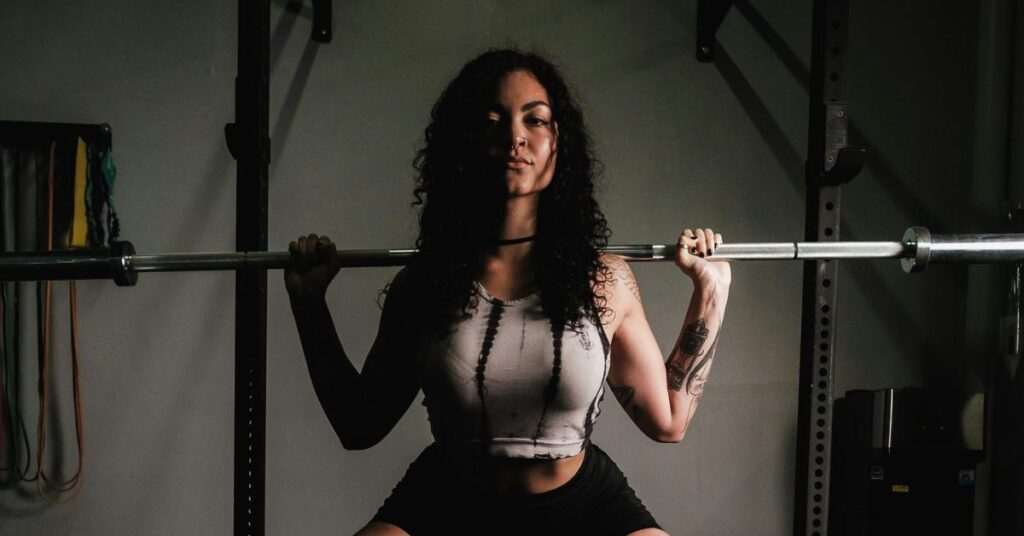
Turning 30 does not suddenly make you unfit, but understanding hormonal changes after 30 and how to stay fit after 30 becomes important because your body begins to respond differently to exercise, nutrition, and recovery. You may notice slower metabolism, reduced energy, or longer recovery time, which can make fitness feel more challenging than before. If you are new to fitness after 30, you can start with this simple guide: https://fitnessafterthirty.com/how-to-stay-fit-after-30/
Many people assume that after 30, lack of motivation or laziness is the reason their workouts stop working. In reality, progress often slows not because of effort, but because hormonal shifts influence fat storage, muscle growth, energy levels, and recovery. When you train the same way you did in your early twenties, results may not feel the same. You can also learn about common workout mistakes here: https://fitnessafterthirty.com/common-fitness-mistakes-after-30/
The good news is that once you understand how these hormonal changes affect your body, you can adjust your routine and train smarter, not harder. Simple changes like improving sleep, managing stress, balancing nutrition, and focusing on strength training can make a big difference. With the right approach, staying fit, energetic, and strong after 30 is absolutely achievable, and your body can continue to improve with consistency and patience.
Why It Feels Harder to Stay Fit After 30
After 30, your body prioritizes efficiency and survival. Muscle growth slows, fat loss becomes harder, and recovery takes longer. Hormonal shifts, reduced physical activity, and increased stress levels can further impact energy, metabolism, and overall performance. You may notice that workouts feel more demanding, soreness lasts longer, and results take more time to appear than before.
However, this does not mean progress is impossible. By focusing on strength training, maintaining adequate protein intake, improving sleep quality, and managing stress, you can support muscle maintenance and fat loss. Consistency, smart training, and proper recovery become more important than intensity, helping you stay strong, energetic, and fit well beyond your thirties.
Common changes include:
- Slower metabolism
- Longer recovery time
- Increased belly fat
- Reduced strength gains
These changes are normal with age but are strongly influenced by hormones.
1. Cortisol: The Silent Fat-Storing Hormone After 30
Cortisol is your stress hormone, and after 30, your body becomes more sensitive to it.
What goes wrong:
- Too much cardio → higher cortisol
- Poor sleep → cortisol spikes
- Skipping meals → increased cortisol production
Results:
- Belly fat
- Muscle loss
- Constant fatigue
How to fix it:
- Keep cardio sessions short
- Include strength training 3–4 times per week
- Sleep at least 7 hours every night
2. Testosterone & Estrogen: Key Hormones for Fitness After 30
Both men and women experience a gradual decline in testosterone and estrogen after 30.
Effects:
- Reduced muscle tone
- Lower energy levels
- Increased fat storage
What helps:
- Lift weights (compound exercises work best)
- Include healthy fats like nuts, seeds, and eggs
- Avoid extremely low-calorie diets
3. Decline in Insulin Sensitivity After 30
As you age, your body becomes less efficient at handling carbohydrates.
What happens:
- Sugar is stored as fat
- Energy crashes become common
- Food cravings increase
How to fix it:
- Eat carbs around workouts
- Choose whole carbs like rice, oats, and fruits
- Walk for 10–15 minutes after meals
4. Recovery Takes Longer After 30 (But You Can Hack It)
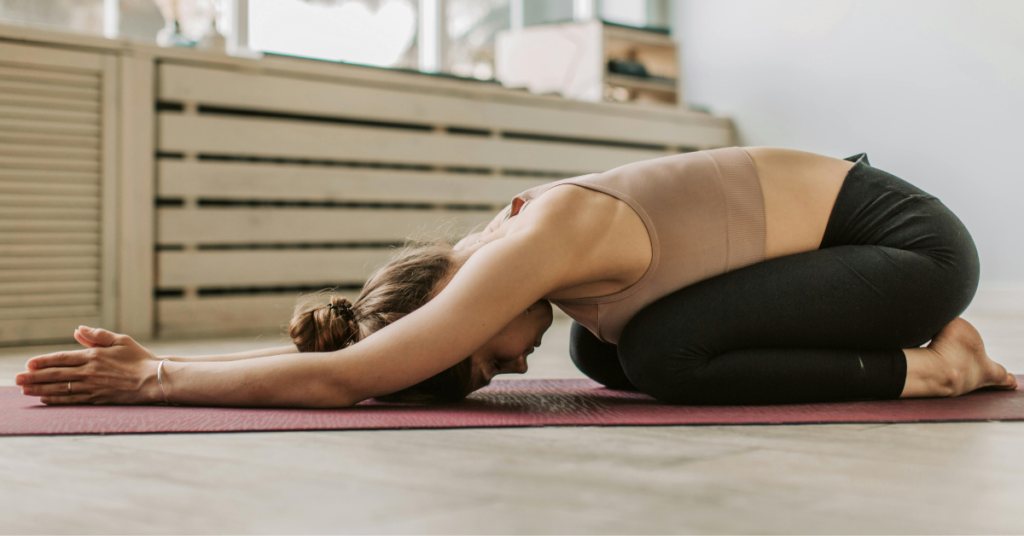
In your 20s, training every day might have worked. After 30, recovery is just as important as exercise. Your muscles need more time to repair, rebuild, and grow stronger, and without proper rest, progress can slow down while fatigue and injury risk increase. Ignoring recovery may lead to burnout, low energy, and inconsistent performance.
Prioritizing quality sleep, rest days, stretching, and proper nutrition helps your body recover efficiently and maintain hormonal balance. Active recovery activities like walking, light yoga, or mobility work can improve circulation and reduce stiffness. When you respect recovery, your workouts become more effective, sustainable, and supportive of long-term strength, fitness, and overall health.
Signs you’re not recovering well:
- Constant muscle soreness
- Poor sleep quality
- No progress despite effort
How to recover better:
- Take at least 2 rest days per week
- Add mobility and stretching sessions
- Eat magnesium-rich foods like spinach and bananas
Best Workout Strategy After 30
Forget extreme routines. A balanced plan works best:
- Strength training: 3–4 days per week
- Low-intensity cardio: walking or cycling
- Mobility and stretching: 2 days per week
- Focus on consistency over intensity
This approach supports your hormones instead of fighting them.
Diet Rules That Actually Work After 30
Return to the basics:
- Protein with every meal
- Fiber-rich vegetables daily
- Proper hydration
- No crash dieting
Small, consistent habits are far more effective than aggressive plans.
Common Myths About Fitness After 30
Myth: “I’m too old to build muscle.”
Truth: Muscle can be built at any age with proper training.
Myth: “More cardio means more fat loss.”
Truth: Excessive cardio can increase fat storage through cortisol.
Myth: “Supplements are mandatory.”
Truth: Sleep, food, and training matter far more.
FAQs About Hormonal Changes After 30
Is it possible to stay fit after 30?
Yes. Many people achieve their best physique after 30 by training smarter.
How long does it take to see results?
With consistency, visible results usually appear within 8–12 weeks.
Should I train every day after 30?
No. Recovery is just as important as workouts.
What is the biggest mistake after 30?
Overtraining while under-eating.
Final Thoughts
Understanding how hormonal changes affect fitness after 30 is not about pushing harder—it’s about working with your body instead of against it. Learn how your hormones influence fat loss, recovery, energy levels, and muscle strength, respect the importance of proper rest and recovery, and stay consistent with balanced nutrition and smart training. If you want to accelerate results safely, you can also explore effective strategies for faster fat loss here: https://fitnessafterthirty.com/faster-way-to-fat-loss-after-30/
By managing stress, improving sleep quality, and focusing on strength-building exercises, you can support hormonal balance naturally. Small, sustainable lifestyle changes can boost metabolism, improve endurance, and help you stay energetic, strong, and healthy well beyond your thirties.
6 thoughts on “How Hormonal Changes Affect Fitness After 30 (The Hidden Reason Progress Slows Down)”