
If you’re over 30 and trying to lose stubborn fat, you may have wondered: Does green tea have caffeine?
Perhaps coffee suddenly makes you jittery, or maybe your sleep isn’t as restorative as it used to be. In addition, you might be exploring green tea for weight loss after 30 and want to understand how it affects your metabolism.
The answer is yes — green tea contains caffeine. However, the story is more nuanced.
Unlike coffee, green tea interacts differently with your hormones, metabolism, and energy levels — particularly after 30, when subtle changes in metabolic efficiency begin to occur.
Therefore, it’s important to explore the science behind green tea caffeine, how it affects your body, and how to use it effectively for fat loss and energy.
Does Green Tea Have Caffeine?
Indeed, green tea contains caffeine, although its levels are significantly lower than those of coffee.
Here’s a simple comparison:
- Green tea (1 cup): 20–45 mg caffeine
- Coffee (1 cup): 80–120 mg caffeine
Consequently, green tea is often gentler on the digestive system, which is especially helpful for adults sensitive to stimulants.
The Unique Advantage of Green Tea
Additionally, green tea contains L‑theanine, an amino acid that slows caffeine absorption and promotes a calm, stable energy boost.
Instead of causing a sharp spike and crash like coffee, green tea offers:
- Steadier focus throughout the morning
- A milder energy lift without jitteriness
- Lower stress hormone spikes can reduce anxiety
- Sustained alertness without overstimulating the nervous system
According to Harvard Health, caffeine affects people differently depending on hormonal balance, sleep quality, and stress levels — all of which change as we age.
As a result, green tea’s caffeine behaves differently in your body compared to coffee.
How Caffeine Affects Metabolism After 30
After 30, metabolism naturally slows down. This is completely normal and reflects the biology of aging.
Here’s why these changes occur:
- Muscle mass gradually declines
- Resting metabolic rate decreases, burning fewer calories at rest
- Insulin sensitivity may change, affecting how the body processes carbohydrates
- Stress hormone regulation becomes more challenging, leading to higher cortisol levels
- Recovery slows, making post-workout repair less efficient
Therefore, adults often notice a gradual metabolism slowdown in their 30s and 40s.
Caffeine can temporarily boost metabolic rate by stimulating thermogenesis, a process in which the body generates heat and burns calories. In fact, studies on PubMed indicate that caffeine can modestly increase energy expenditure in the short term.
However, moderation is essential. Excessive caffeine intake can elevate cortisol, disrupt sleep, increase cravings, and even influence fat distribution.
In contrast, green tea’s lower caffeine content, combined with L‑theanine, provides a gentler, more balanced approach — stimulating metabolism without overloading stress hormones.
Green Tea and Fat Loss After 30
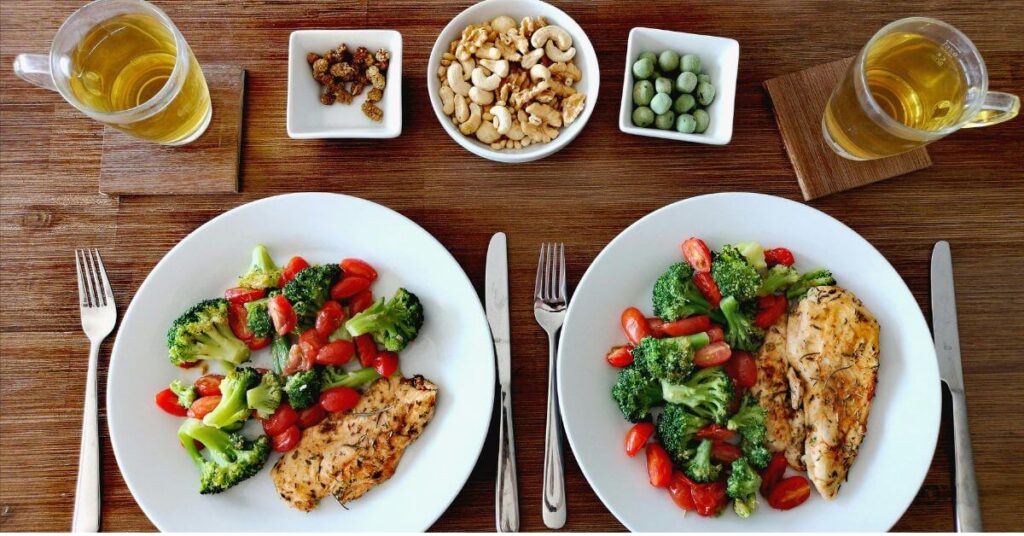
Green tea is rich in catechins, powerful antioxidants that support fat oxidation and improve insulin sensitivity. Among them, EGCG (epigallocatechin gallate) is the most studied for its fat-burning potential.
Nevertheless, it’s important to understand that green tea alone is not a magic weight loss solution. Its effectiveness increases when paired with foundational lifestyle habits.
Nutrition Matters
First and foremost, maintaining adequate protein intake is crucial after 30. Protein preserves muscle mass, which supports metabolic rate. For meal ideas, explore Is Protein Pasta Healthy or Just a Food Trend?.
Moreover, staying hydrated and maintaining balanced electrolytes can enhance energy and reduce fatigue. Our Pink Salt Trick Recipe provides a simple, effective method to support hydration and metabolic health.
Movement and Strength Training
Furthermore, green tea’s benefits are amplified when combined with resistance training. Because muscle tissue burns more calories at rest than fat, maintaining strength becomes increasingly important. Adults who rely solely on cardio may notice slower results over time. Therefore, strength training 3–4 times per week is recommended to optimize fat loss and metabolic efficiency.
How Green Tea Supports Hormones and Energy
Hormonal shifts naturally occur after 30.
- Women may experience fluctuations in estrogen and progesterone
- Men may notice gradual declines in testosterone
Additionally, chronic stress can intensify these changes. Green tea can help by:
- Providing L‑theanine to promote calm alertness
- Offering mild caffeine stimulation without overstimulating the nervous system
- Supplying antioxidants that reduce oxidative stress
- Supporting metabolic pathways through polyphenols
Consequently, green tea can help you stay energized and focused without depending on multiple cups of coffee or energy drinks.
If you struggle with digestive or metabolic concerns, consider our guide How to Boost Chemical Digestion Naturally for holistic strategies that support fat loss and overall wellness.
Who Should Limit or Avoid Green Tea
Although green tea is safe for most adults, certain individuals should limit consumption. Avoid or reduce intake if you:
- Are highly sensitive to caffeine
- Experience anxiety or insomnia
- Have acid reflux or digestive sensitivity
- Are iron deficient
- Take stimulant medications
Furthermore, avoid drinking green tea late in the day. Poor sleep can increase hunger hormones and cravings, which are major barriers to fat loss after 30.
For those comparing stimulants for energy and metabolism, see Is Alani Good for Weight Loss After 30?.
Common Mistakes When Using Green Tea for Fat Loss
Many adults unintentionally reduce green tea’s effectiveness. Common mistakes include:
- Using Green Tea Instead of Real Nutrition
Green tea is not a replacement for balanced meals. Protein, healthy fats, and complex carbohydrates are essential to support muscle, hormone balance, and sustained energy. - Choosing Sweetened or Bottled Green Tea
Added sugar can spike insulin levels, negating green tea’s metabolic benefits. - Drinking Too Much Tea
Optimal intake is 2–4 cups per day. Excessive consumption can elevate cortisol and disrupt sleep. - Neglecting Strength Training
Resistance exercises remain the most powerful metabolic tool after 30. Green tea alone cannot compensate for lost muscle mass or slower metabolism.
How to Use Green Tea Strategically After 30
To maximize green tea’s benefits, consider the following approach:
- Morning cup: Gently kickstart your day
- Pre-workout cup (optional): Provides mild energy for exercise
- Avoid late afternoon: Protects sleep and hormone balance
- Pair with protein-rich meals: Supports metabolism
- Strength train 3–4 times per week: Enhances fat loss
Consistency is more important than intensity. Consequently, think of green tea as a supportive habit, rather than a shortcut.
Quick Summary
- Green tea contains 20–45 mg of caffeine per cup
- L‑theanine provides calm, steady energy
- Catechins like EGCG modestly support fat oxidation
- Works best with strength training, protein-rich meals, and quality sleep
- Excessive intake can elevate cortisol and disrupt recovery
- Green tea is supportive, not a primary fat-loss tool
FAQ
1. Does green tea have caffeine compared to coffee?
Yes, but it contains significantly less caffeine. It provides steady energy without the crash common with coffee.
2. Is green tea effective for weight loss after 30?
It can modestly support fat oxidation and metabolism, particularly when combined with resistance training and balanced meals.
3. How many cups of green tea can I drink daily?
Most adults can safely consume 2–4 cups per day. Avoid late evening consumption to protect sleep quality.
Final Thoughts for Adults Over 30
Metabolism may feel stubborn after 30, but your body is not broken.
Instead of chasing quick fixes, focus on sustainable, science-backed habits. Green tea can support your journey, but it is only one tool among many.
Real transformation comes from:
- Building and maintaining muscle
- Prioritizing quality sleep
- Managing stress
- Eating well-balanced meals
By using green tea strategically, you can train smarter, recover better, and support your hormones. Your best years are still ahead.
1 thought on “Does Green Tea Have Caffeine? A Guide for Adults Over 30”