
Losing belly fat after 30 often feels far more difficult than it did in your 20s. You may be eating less, exercising regularly, and still not seeing results. If you’ve wondered how to lose belly fat after 30, you’re not alone—skipping meals, excessive cardio, or crash diets that once worked no longer deliver the same outcome.
This doesn’t mean your body is broken. It simply means your body has changed—and your approach must change with it.
The truth is clear: you can lose belly fat after 30 without extreme diets, starvation, or punishing workouts. What you need instead is a sustainable, science-backed strategy that works with your metabolism, hormones, and lifestyle.
Why Belly Fat Is Harder to Lose After 30
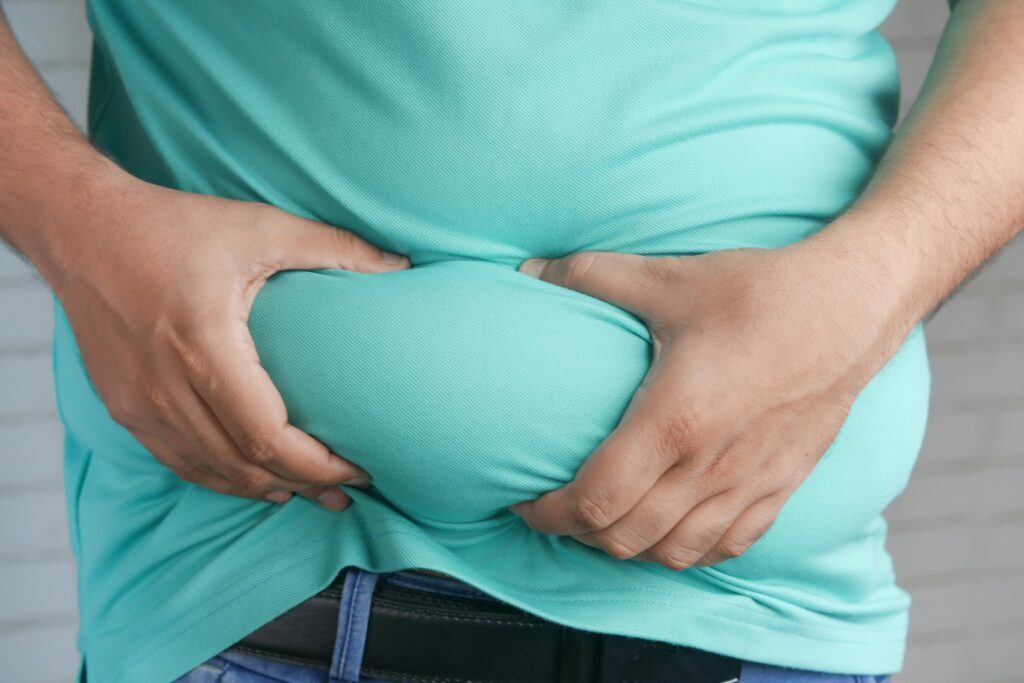
As you age, several natural changes occur in the body that affect fat loss.
1. Slower Metabolism
After 30, muscle mass gradually decreases if strength training is not part of your routine. Since muscle burns more calories than fat, losing muscle slows your metabolism and makes belly fat harder to lose.
2. Hormonal Changes
Hormones play a major role in belly fat storage:
- Reduced insulin sensitivity makes fat storage easier
- Higher cortisol levels from stress promote abdominal fat
- In women, estrogen fluctuations encourage belly fat accumulation
These changes make extreme dieting ineffective and often harmful.
3. Increased Stress and Poor Sleep
Work pressure, family responsibilities, and lack of rest raise stress hormones, increase cravings, and slow fat loss—especially around the belly.
4. Slower Recovery
Your body takes longer to recover from intense workouts after 30. Overtraining increases inflammation and cortisol, which work against fat loss.
Focus on Nutrition, Not Starvation

Extreme calorie restriction stresses the body and leads to muscle loss, hormonal imbalance, and belly fat regain.
What to Do Instead
Eat enough protein
- Eggs, fish, chicken, lentils, paneer, tofu, Greek yogurt
Increase fiber intake
- Vegetables, fruits, whole grains, seeds, legumes
Include healthy fats
- Nuts, seeds, olive oil, avocado, ghee (in moderation)
Reduce sugar and ultra-processed foods
- Avoid sugary drinks, packaged snacks, and refined carbs
👉 Consistency matters more than perfection.
Strength Training Is Essential After 30
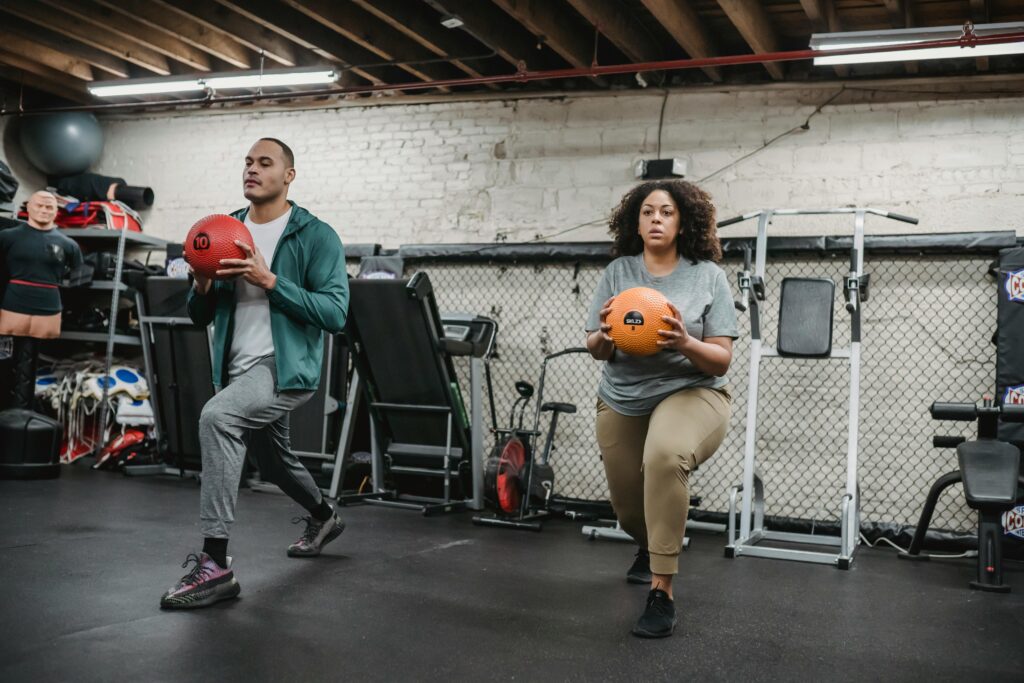
Too much cardio alone is not the solution.
Strength training helps:
- Preserve muscle mass
- Boost metabolism
- Improve insulin sensitivity
- Reduce deep visceral belly fat
How Often?
Aim for 2–4 strength-training sessions per week.
Best Exercises
- Squats
- Lunges
- Push-ups
- Rows
- Deadlifts
- Overhead presses
Heavy weights are not required—progressive training and consistency matter most.
Cardio After 30: Use It Wisely
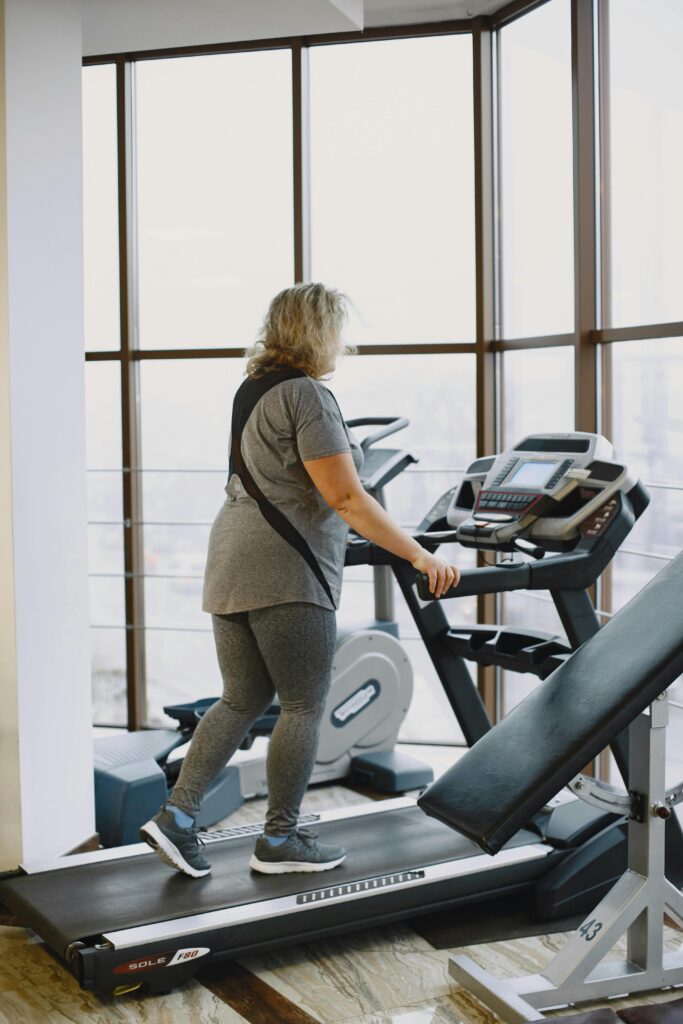
Cardio supports heart health and fat loss, but excessive cardio without recovery increases stress hormones.
Best Cardio Options
- Brisk walking
- Cycling
- Swimming
- Light jogging
- Short HIIT sessions (if recovery allows)
Daily walking is one of the most underrated fat-loss tools after 30.
Manage Stress to Reduce Belly Fat

Chronic stress keeps cortisol levels high, which encourages belly fat storage.
Simple Stress-Reduction Habits
- 5–10 minutes of deep breathing or meditation daily
- Walking outdoors
- Limiting caffeine after midday
- Setting realistic fitness goals
Reducing stress alone can significantly improve fat-loss results.
Sleep Is a Non-Negotiable for Fat Loss
Poor sleep disrupts hunger and fat-storage hormones.
Effects of Poor Sleep
- Increased cravings
- Reduced insulin sensitivity
- Greater belly fat storage
Improve Sleep Quality
- Get 7–8 hours of sleep nightly
- Maintain a consistent sleep schedule
- Avoid screens one hour before bed
- Keep your room cool and dark
If fat loss stalls, improving sleep often restarts progress.
Don’t Chase Spot Reduction
You cannot target belly fat alone. Fat loss happens gradually across the entire body.
Track Progress By:
- Waist measurements
- Energy levels
- Strength improvements
- How your clothes fit
After 30, belly fat is often the last to go—patience is key.
Stay Active Outside the Gym (NEAT)
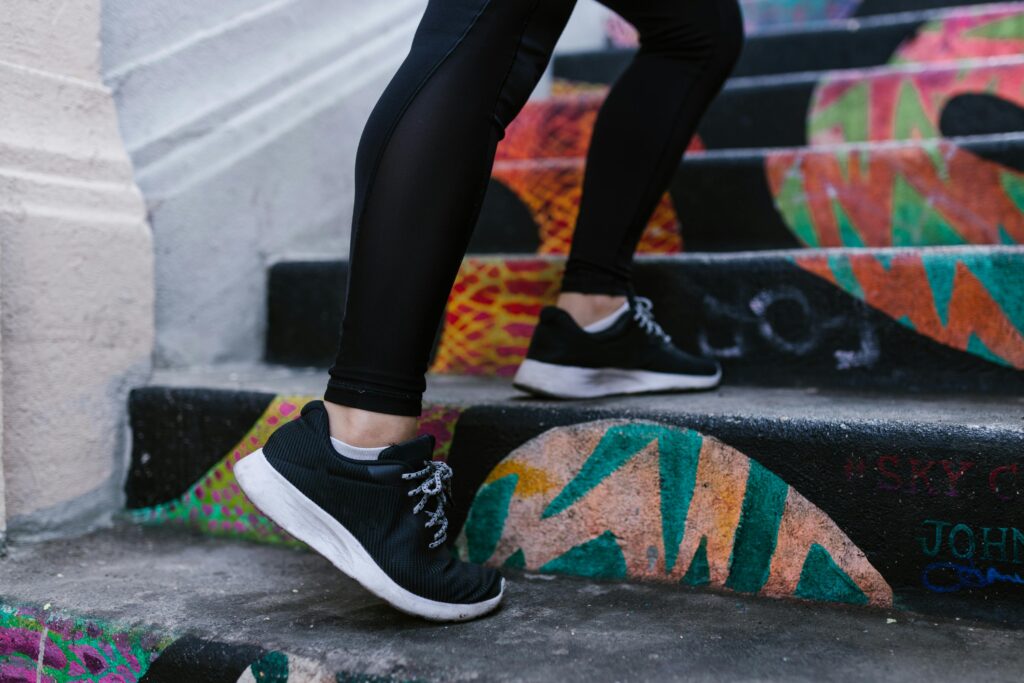
Non-Exercise Activity Thermogenesis (NEAT) plays a major role in fat loss after 30.
Increase NEAT by:
- Walking more
- Taking the stairs
- Stretching regularly
- Avoiding long periods of sitting
Daily movement supports metabolism and long-term fat loss.
Final Thoughts
Losing belly fat after 30 is completely achievable—without extreme diets or exhausting workouts. The key is a smarter approach that prioritizes balanced nutrition, strength training, stress management, quality sleep, and consistent daily movement.
Small, sustainable habits will always outperform extreme methods.
Your body isn’t broken.
It simply needs a wiser plan.
8 thoughts on “How to Lose Belly Fat After 30 Without Extreme Diets”