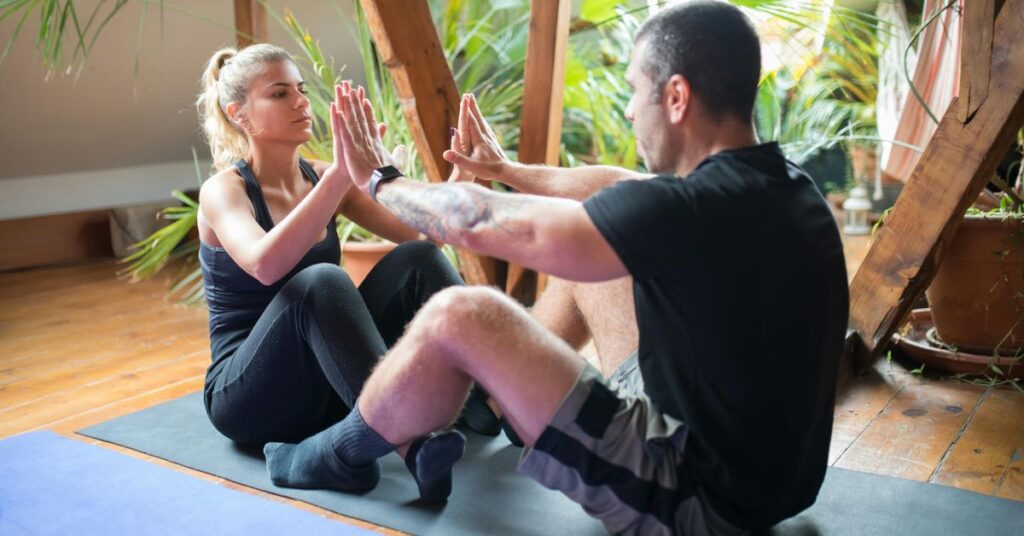
Common fitness mistakes after 30 often stop people from seeing results, even when they exercise regularly and eat reasonably well. Your body does not recover as quickly, your metabolism slows, and responsibilities like work, family, and daily stress often take priority. Because of this, many people feel frustrated—they work out regularly but fail to see results, feel constantly tired, or even end up injured.
From my experience, most people who struggle with fitness after 30 are not lazy at all. They struggle because they unknowingly make common fitness mistakes. The good news is that once you identify these mistakes, correcting them becomes much easier.
Small, consistent improvements can create powerful long-term results. By focusing on proper recovery, balanced nutrition, and smart training instead of extreme routines, you can rebuild energy, prevent burnout, and improve performance. Fitness after 30 is not about perfection—it is about progress, patience, and building sustainable habits that support lifelong health and strength.
In this article, we will explore the most common fitness mistakes after 30 and practical ways to avoid them so you can stay strong, healthy, and consistent for years to come.
How to Avoid Common Fitness Mistakes After 30
After 30, fitness is no longer about working harder every single day. It’s about training smarter, recovering properly, and building habits that you can maintain in the long term.
Many people try to follow workout routines designed for younger bodies in the hope of getting quick results. This often leads to burnout, joint pain, or quitting altogether. Knowing what not to do is just as important as knowing what to do when it comes to fitness after 30.
1. Skipping Warm-Ups: One of the Most Common Fitness Mistakes After 30
One of the biggest fitness mistakes after 30 is jumping straight into workouts without warming up. In your 20s, you may have gotten away with it. After 30, your joints, muscles, and connective tissues need more preparation.
Why is it a problem
- Increases the risk of injury
- Causes stiffness and muscle soreness
- Reduces overall workout performance
What to do instead
Spend 5–10 minutes warming up, such as:
- Light walking or marching in place
- Arm circles and hip rotations
- Gentle dynamic stretches
Cooling down after workouts also helps reduce muscle tightness and improves recovery.
2. Doing Too Much Cardio and Ignoring Strength Training
Many people believe that doing more cardio will lead to faster weight loss. As a result, they walk, run, or cycle every day while avoiding strength training.
Why is a mistake
- Excessive cardio can lead to muscle loss
- Muscle loss slows down metabolism
- Weight loss may stall or even reverse
After 30, preserving muscle is essential. Strength training helps:
- Boost metabolism
- Improve posture and joint health
- Prevent age-related muscle loss
What to do instead
Include strength training 2–3 times per week. This doesn’t mean lifting heavy weights. Bodyweight exercises, resistance bands, or light dumbbells work very well.
3. Copying Workouts from Younger People or Social Media
Social media workouts often look exciting, but many are not designed for people over 30. High-impact movements, extreme routines, or daily intense workouts can do more harm than good.
Why does this cause problems?
- Higher risk of injury
- Poor recovery
- Loss of motivation
What works for a 22-year-old fitness influencer may not work for someone in their 30s or 40s.
What to do instead
Choose workouts that focus on:
- Controlled movements
- Joint-friendly exercises
- Proper form
Remember, consistency matters more than intensity.
4. Ignoring Recovery and Rest Days

After 30, recovery becomes just as important as exercise. Many people feel guilty about taking rest days, believing rest means losing progress.
In reality, progress happens during recovery, not during workouts.
Signs you’re not recovering enough
- Constant fatigue
- Joint pain
- Poor sleep
- No improvement despite regular workouts
What to do instead
- Take 1–2 rest days per week
- Aim for 7–8 hours of sleep
- Do light activities on rest days, such as walking or stretching
Listening to your body is a sign of wisdom, not weakness.
5. Having Unrealistic Expectations
Another common fitness mistake after 30 is expecting quick results. Many people want visible changes within a few weeks and feel discouraged when progress is slow.
After 30, fat loss and muscle gain take more time—but they are still absolutely possible.
Why expectations matter
Unrealistic goals often lead to:
- Overtraining
- Extreme dieting
- Quitting early
What to do instead
Focus on:
- Small, steady improvements
- Better energy levels
- Increased strength
- Improved sleep and mood
Fitness after 30 is a long-term lifestyle, not a short-term challenge.
6. Ignoring Nutrition and Relying Only on Exercise
You cannot out-exercise poor nutrition—especially after 30. Many people work out regularly but continue eating highly processed foods or skipping meals.
Why is it a problem
- Slows fat loss
- Reduces energy levels
- Affects recovery
As you age, your body needs better fuel to perform well and recover properly.
What to do instead
You don’t need a strict diet. Focus on:
- Eating enough protein
- Choosing whole, minimally processed foods
- Staying hydrated
- Maintaining regular meal timings
Even small improvements in nutrition can make a big difference.
7. Being Inconsistent
Perhaps the most common fitness mistake of all is inconsistency. Many people exercise intensely for a few weeks and then stop for months.
Why consistency matters
Fitness after 30 responds best to:
- Moderate effort
- A regular schedule
- Sustainable habits
What to do instead
- Choose workouts you genuinely enjoy
- Keep sessions short (20–40 minutes)
- Set realistic weekly goals
Doing something regularly is far better than doing everything perfectly for a short time.
How to Avoid These Fitness Mistakes After 30 (Quick Summary)
Use this simple checklist to stay on track:
- Warm up before every workout
- Strength train at least twice a week
- Avoid extreme or unsuitable workouts
- Prioritize rest and sleep
- Set realistic expectations
- Improve nutrition gradually
- Stay consistent, not extreme
Frequently Asked Questions (FAQs)
Is it too late to start fitness after 30?
No, absolutely not. Many people begin their fitness journey in their 30s, 40s, or even later and achieve great results with the right approach.
How many days should I work out after 30?
For most people, 3–5 days per week works best. This allows enough activity while giving the body time to recover.
Is a home workout enough after 30?
Yes. Home workouts can be very effective when done consistently with proper form and progression.
Can I lose weight after 30?
Yes. Weight loss may be slower, but it is completely achievable with the right exercise, nutrition, and consistency.
Final Thoughts
Fitness after 30 isn’t about pushing your body to the extreme—it’s about listening to it, understanding its needs, and working with it, not against it. When you avoid common fitness mistakes and follow a smarter, balanced approach, your results become more consistent, sustainable, and enjoyable.
Start small, stay consistent, and focus on long-term health. Your body is still capable of incredible transformation—when you care for it the right way.
Select 28 more words to run Humanizer.
For more helpful insights, you can explore real fitness experiences and popular trends after 30. Learn whether celebrity transformations are fact or hype in this detailed breakdown of Lizzo’s journey, understand the truth about energy drinks and performance after 30, and discover how simple natural remedies may support weight loss. Read more here:
https://fitnessafterthirty.com/lizzos-weight-loss-after-30-real-or-rumor/
https://fitnessafterthirty.com/alani-energy-drink-after-30/
https://fitnessafterthirty.com/pink-salt-recipe-for-weight-loss/
5 thoughts on “Still Not Fit After 30? These Common Mistakes Might Be the Reason (Fix Them Today)”