A face fat after 30 is something many adults gradually begin to notice. One day, your cheeks look fuller, your jawline appears softer, or your face seems puffier in photos—even though your body weight has not changed significantly. Naturally, this can feel confusing and sometimes frustrating.
However, facial changes after 30 are extremely common and usually influenced by several factors working together. In fact, understanding why facial fat increases after 30 makes it easier to manage it safely and realistically. This article explains the real causes, clears common myths, and shares effective, low-risk strategies that actually help.
If your broader goal is fitness, fat loss, and healthy aging, the foundational principles explained on the FitnessAfterThirty home page offer helpful context.
Why Face Fat Increases After 30
As the body ages, internal and external changes begin to overlap. Although these shifts happen slowly, they become most noticeable on the face.
1. Hormonal Changes With Age
Firstly, hormonal balance starts to change after 30. Levels of estrogen, progesterone, testosterone, insulin, and cortisol fluctuate more than before. As a result, fat storage patterns shift, often affecting the face and neck.
According to trusted medical guidance from the Mayo Clinic, age-related hormonal changes and metabolic slowdown can influence where the body stores fat, including facial areas.
(Source: https://www.mayoclinic.org/healthy-lifestyle/weight-loss/in-depth/metabolism/art-20046508)
Additionally, chronic stress raises cortisol levels, which can encourage fat retention and fluid buildup—making facial puffiness more noticeable.
2. Slower Metabolism
Secondly, metabolism naturally slows after 30. Even if eating habits remain unchanged, the body burns fewer calories at rest. Consequently, excess energy is stored more easily as fat.
Moreover, fat distribution changes over time. Instead of spreading evenly, fat may settle in specific areas such as the face, jawline, and abdomen.
3. Changes in Facial Structure
Over time, facial bones gradually lose density, muscles weaken, and fat pads shift downward. As a result, the face may appear fuller or less defined—even without actual weight gain.
In other words, facial fullness after 30 is often caused by structural changes rather than fat alone.
4. Water Retention and Inflammation
Another major contributor is water retention. High salt intake, dehydration, alcohol consumption, hormonal imbalance, and poor sleep can all cause facial swelling.
This explains why the face often looks puffier in the morning and slimmer later in the day.
5. Lifestyle Habits
Finally, daily habits play a powerful role. Poor sleep, excess sugar, smoking, alcohol, and chronic stress increase inflammation. Over time, these factors make facial fat and puffiness more noticeable.
Common Myths About Face Fat After 30
Despite being common, facial fat is widely misunderstood. Let’s separate fact from fiction.
Myth 1: Face Fat Means You Are Unhealthy
Not necessarily. Many healthy individuals experience facial fullness due to genetics, hormones, or water retention. Therefore, facial fat alone is not a reliable indicator of overall health.
Myth 2: Facial Exercises Burn Face Fat
Although facial exercises may improve muscle tone and circulation, they do not directly burn fat. Spot reduction is largely a myth. However, they may slightly improve facial definition over time.
Myth 3: Extreme Dieting Is the Best Solution
On the contrary, crash dieting often backfires. Rapid weight loss can lead to muscle loss, sagging skin, and premature aging. Sustainable habits are far more effective.
Myth 4: Face Fat Is Permanent After 30
This is false. While aging cannot be reversed, facial fat and puffiness can be reduced significantly with consistent lifestyle improvements.
What Actually Helps Reduce Face Fat After 30

Rather than shortcuts, long-term strategies deliver the best results.
1. Improve Overall Nutrition
First and foremost, focus on balanced nutrition. Eating vegetables, fruits, lean proteins, whole grains, and healthy fats supports hormonal balance and reduces inflammation.
At the same time, limiting processed foods, refined sugar, and excess salt can noticeably reduce facial puffiness. These principles also align with sustainable fat loss methods explained in Belly Fat Loss After 30: Drinks vs Exercise.
2. Stay Properly Hydrated
Surprisingly, dehydration causes water retention. When the body lacks water, it holds onto fluids—often in the face.
Many people turn to fat loss drinks; however, understanding their real effectiveness is important. A realistic explanation is covered in Do Fat Loss Drinks Work After 30?.
3. Manage Stress Effectively
Chronic stress raises cortisol levels, which promotes fat storage and inflammation. Research shared by Harvard Health Publishing explains that stress can increase fat retention and facial puffiness over time.
(Source: https://www.health.harvard.edu/staying-healthy/why-stress-causes-people-to-overeat)
Practices such as walking, yoga, meditation, journaling, or deep breathing help regulate stress hormones naturally.
4. Prioritize Quality Sleep
Sleep plays a critical role in hormone regulation, fat metabolism, and fluid balance. Poor sleep disrupts these systems, leading to increased facial puffiness.
The World Health Organization (WHO) consistently emphasizes sleep and physical activity as pillars of long-term metabolic and overall health.
(Source: https://www.who.int/news-room/fact-sheets/detail/physical-activity)
5. Maintain Regular Physical Activity
While facial fat cannot be targeted directly, overall fat loss does affect the face. Strength training combined with moderate cardio improves metabolism and body composition.
Tracking movement, sleep, and activity can improve consistency, which is why tools explained in the Fitness Band Guide After 30 are helpful for habit building.
6. Reduce Alcohol and Smoking
Alcohol causes dehydration and inflammation, while smoking reduces blood flow and skin elasticity. Reducing or avoiding these habits often results in visible facial improvements.
7. Support Skin and Muscle Health
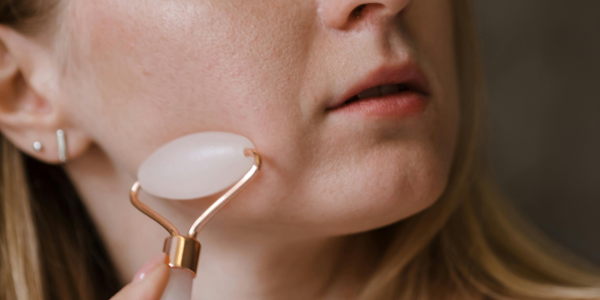
Gentle facial massage, proper skincare, sun protection, and adequate protein intake help maintain skin firmness and circulation. Although not a cure, these habits support a healthier facial appearance.
Approaches to Avoid
It is equally important to avoid risky shortcuts. Extreme fasting, unverified supplements, aggressive facial devices, or unsupervised cosmetic procedures can harm both health and skin.
Instead, focus on sustainable habits. If medical or cosmetic treatments are considered, always consult a qualified professional.
Key Takeaways
- Face fat after 30 is influenced by hormones, metabolism, lifestyle, and water retention
- Facial fullness does not always indicate weight gain or poor health
- There is no instant fix, but consistent habits make a real difference
- Nutrition, hydration, sleep, stress control, and exercise matter most
- Avoid extreme or unsafe methods
Frequently Asked Questions (FAQs)
Is facial fat after 30 normal?
Yes. Facial changes are a normal part of aging and are influenced by hormones, lifestyle, and genetics.
Can facial fat be reduced naturally after 30?
Yes. Balanced nutrition, proper hydration, regular exercise, stress management, and quality sleep can reduce facial fat naturally over time.
How long does it take to see changes?
Facial puffiness may improve within 2–4 weeks, while visible fat reduction usually takes several months of consistency.
Do facial exercises really work?
They may improve muscle tone and circulation, but do not directly burn facial fat. They work best as a supportive practice.
Does weight loss always reduce face fat?
Often, but not always. Genetics and fat distribution patterns influence how the face responds to weight loss.
Should sudden facial swelling be a concern?
Sudden or severe facial swelling should be evaluated by a healthcare professional
1 thought on “Why Face Fat Increases After 30: Causes, Myths, and Effective Tips”