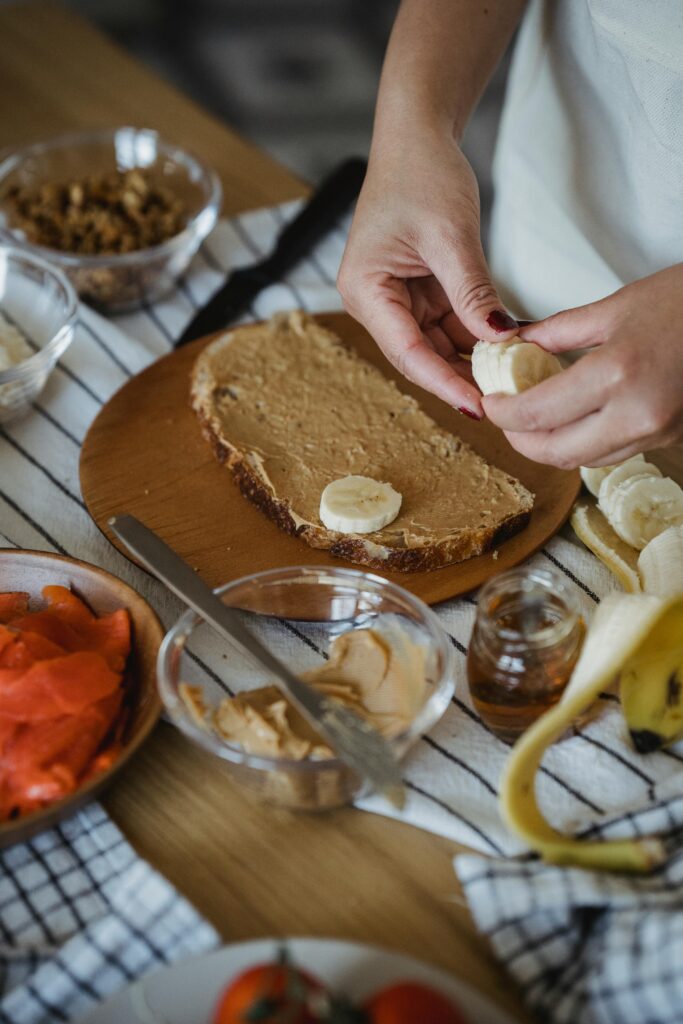
Introduction
My Fitness Peanut Butter Review is important for adults over 30 who want to make smarter, more intentional nutrition choices. As metabolism slows and recovery takes longer, even foods that appear healthy—like peanut butter—deserve a closer look.
Many people unknowingly repeat common nutrition mistakes after 30 by overeating calorie-dense foods without understanding their long-term impact. Peanut butter is nutritious, but only when chosen and consumed correctly.
This honest, experience-based review explores whether My Fitness Peanut Butter is truly healthy for adults over 30, how it affects weight and muscle health, and how to eat it the right way for sustainable fitness.
How Nutrition Changes After 30
After 30, the body naturally begins to change. Muscle mass slowly declines, insulin sensitivity can increase, and fat storage becomes easier. Because of this, food choices must focus on quality rather than quantity.
Health experts emphasize that adults should prioritize nutrient-dense foods that support muscle, heart health, and long-term energy rather than empty calories. This makes peanut butter a food that must be used with intention—not habit.
What Is My Fitness Peanut Butter?
My Fitness Peanut Butter is marketed toward fitness-conscious individuals. Compared to many commercial peanut butter brands that include hydrogenated oils and added sugars, it aims to offer a cleaner nutritional profile.
However, not all peanut butters labeled “fitness” are equal. According to Healthline’s breakdown of peanut butter health benefits, the healthiest options contain minimal ingredients—ideally peanuts and a small amount of salt.
For adults over 30, ingredient transparency is essential.
My Fitness Peanut Butter Review: Nutrition Facts Explained
A standard serving (2 tablespoons or about 32 grams) of My Fitness Peanut Butter generally provides:
- Calories: 190–200
- Protein: 7–8 grams
- Total Fat: 15–17 grams
- Healthy Unsaturated Fats: Majority
- Carbohydrates: 6–8 grams
- Fiber: 2–4 grams
Although peanut butter is calorie-dense, the Mayo Clinic explains that foods rich in healthy fats for heart health can be beneficial when eaten in moderation.
The key is portion control.
Why Protein Matters More After 30
Protein becomes increasingly important with age. According to the Cleveland Clinic’s guidance on protein needs after 30, insufficient protein intake can accelerate muscle loss and slow metabolism.
My Fitness Peanut Butter provides plant-based protein that helps:
- Maintain lean muscle mass
- Support workout recovery
- Improve satiety and appetite control
When combined with resistance exercises like those discussed in strength training after 30, peanut butter can support long-term strength and stability.
Healthy Fats and Heart Health
One of the biggest advantages of My Fitness Peanut Butter is its fat profile. It is rich in monounsaturated fats, which research from Harvard Health shows can support heart-healthy fats and better cholesterol balance.
For adults over 30, prioritizing these fats can help reduce long-term cardiovascular risk when they replace processed and trans fats in the diet.
Sustained Energy Without Sugar Crashes
Unlike sugary snacks that spike blood sugar and cause crashes, peanut butter provides steady energy. Combining fat and protein helps the body digest food more slowly.
According to Diabetes UK, meals that help stabilize blood sugar levels can improve energy, focus, and hunger control.
This makes My Fitness Peanut Butter a practical option for busy adults managing work, workouts, and family responsibilities, as discussed in how to Stay Fit After 30.
Is My Fitness Peanut Butter Good for Weight Loss After 30?
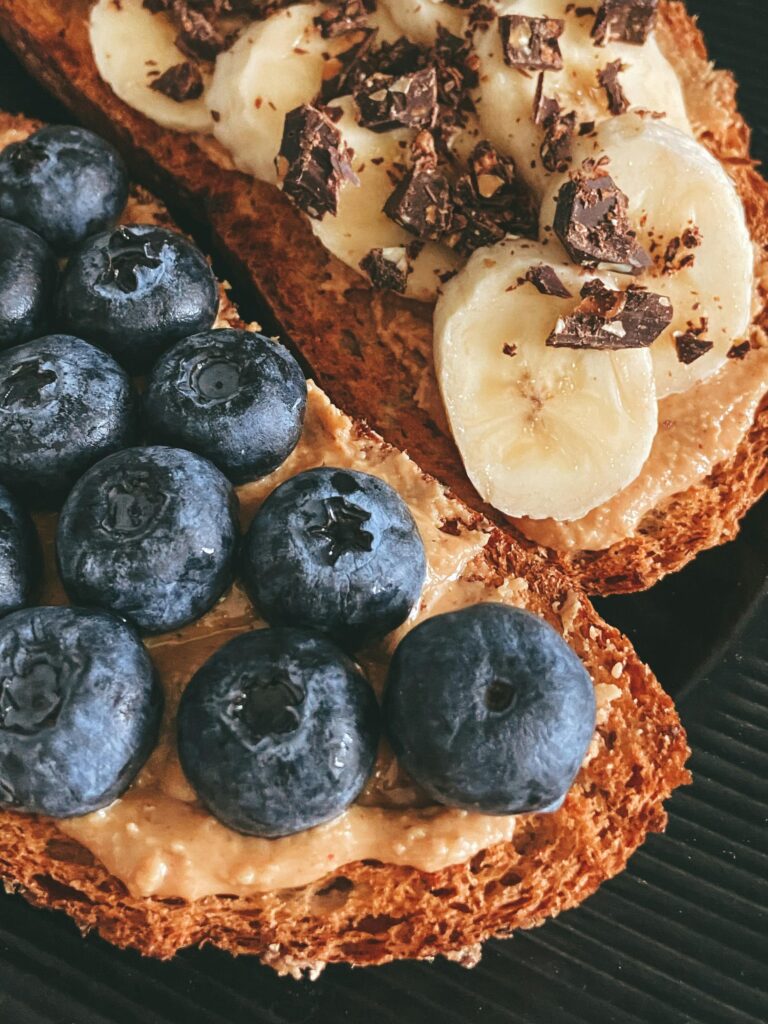
This is where many people struggle.
Peanut butter can either support or slow weight loss—depending on how it’s used.
When It Helps:
- Portions are measured (1–2 tablespoons)
- Paired with fiber-rich foods
- Used as a replacement for processed snacks
When It Hurts:
- Eating directly from the jar
- Ignoring calorie intake
- Pairing only with refined carbs
A study published by the National Institutes of Health found that nut consumption and weight management can support appetite control when eaten mindfully.
For stubborn midsection fat, nutrition must align with lifestyle habits, as explained in how to lose belly fat after 30.
Ingredients Adults Over 30 Should Check Carefully
Always read the label before choosing a peanut butter.
Look for:
- Peanuts as the first ingredient
- Minimal added sugar
- No hydrogenated oils
- Short ingredient lists
Avoid:
- Artificial flavors
- Excessive sweeteners
- Heavy palm oil usage
Cleaner ingredients mean better digestion and long-term health support.
How to Eat My Fitness Peanut Butter the Right Way
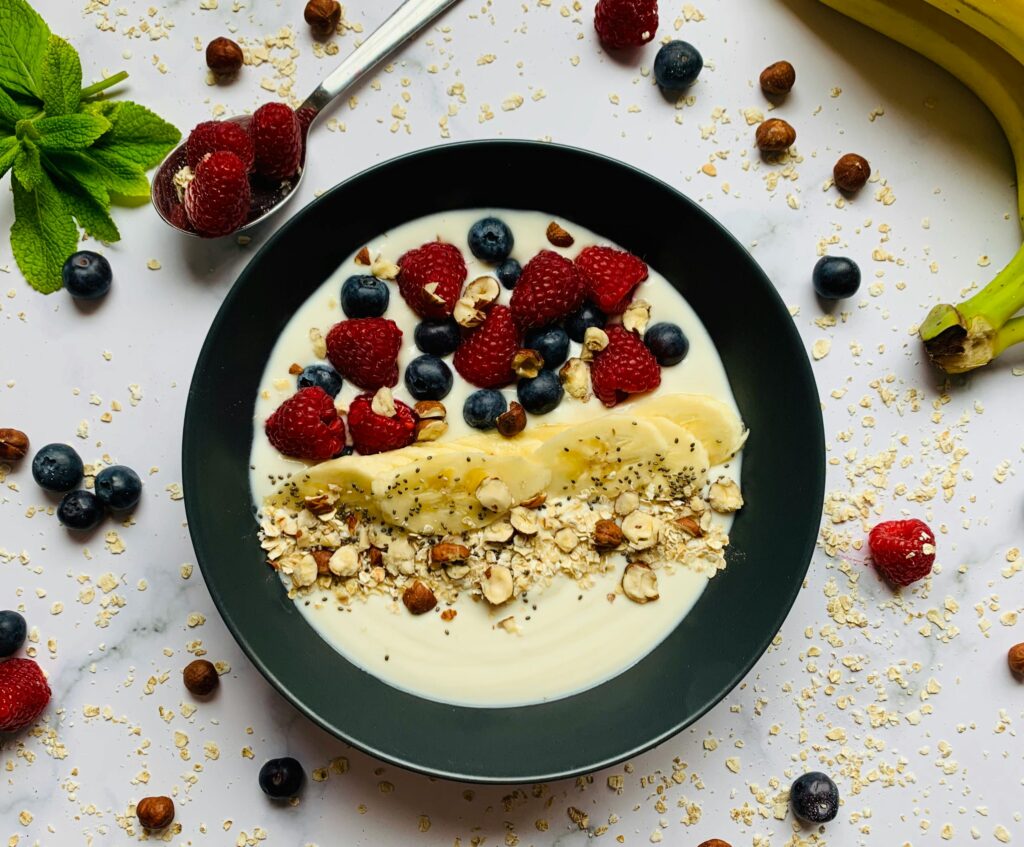
Knowing how to include peanut butter in your meals matters just as much as choosing the right brand.
Smart and Balanced Ways:
- Pre-workout: Banana + 1 tablespoon peanut butter
- Post-workout: Smoothie with peanut butter, protein powder, and berries
- Breakfast: Whole-grain toast with peanut butter and seeds
- Snack: Apple slices with peanut butter
These combinations improve digestion, control hunger, and prevent overeating.
For a broader lifestyle approach, see how to stay fit after 30 – guide 2.
Common Peanut Butter Mistakes After 30
Even healthy foods can slow progress if misused.
Avoid:
- Treating peanut butter as unlimited
- Skipping meals and relying only on spreads
- Ignoring portion sizes
- Choosing sugary flavored variants
Mindful eating becomes more important with age.
Final Verdict: Is My Fitness Peanut Butter Healthy After 30?
Yes—when eaten intentionally and in moderation.
My Fitness Peanut Butter can:
- Support muscle maintenance
- Provide heart-healthy fats
- Improve energy levels
- Help control hunger
However, results depend on portion control, ingredient quality, and overall lifestyle balance.
For more practical fitness guidance, visit the FitnessAfterThirty blog or explore the FitnessAfterThirty homepage.
Key Takeaways
- Choose clean ingredient versions
- Stick to 1–2 tablespoons per serving
- Pair with fiber or protein
- Avoid sugary variants
- Eat with awareness, not habit
FAQs – My Fitness Peanut Butter Review
Is My Fitness Peanut Butter healthy for adults over 30?
Yes, when eaten in moderation. It provides protein and healthy fats that support muscle and heart health.
Can My Fitness Peanut Butter help with weight loss?
Yes, if portion-controlled and paired with fiber-rich foods. Overeating can slow weight loss.
How much peanut butter should adults over 30 eat daily?
One to two tablespoons per day is ideal for most adults, depending on calorie needs.
Is My Fitness Peanut Butter good for muscle gain?
Yes. When combined with strength training and adequate protein intake, it can support muscle maintenance.
Which My Fitness Peanut Butter variant is best?
Natural or low-sugar variants with minimal ingredients are best for adults over 30.
Conclusion
Nutrition after 30 is not about eliminating foods—it’s about making informed, sustainable choices. When used correctly, My Fitness Peanut Butter can be a satisfying and supportive part of a balanced fitness lifestyle.
This review is written to help real people make better decisions, not to sell hype. With mindful portions, clean ingredients, and regular exercise, peanut butter can support strength, energy, and long-term health well beyond 30.
For comprehensive support in staying fit, reducing stress, and improving wellness after 30, visit the Fitness After Thirty Homepage. Discover resources that help you live healthier every day.
1 thought on “My Fitness Peanut Butter Review: Is It Healthy After 30?”