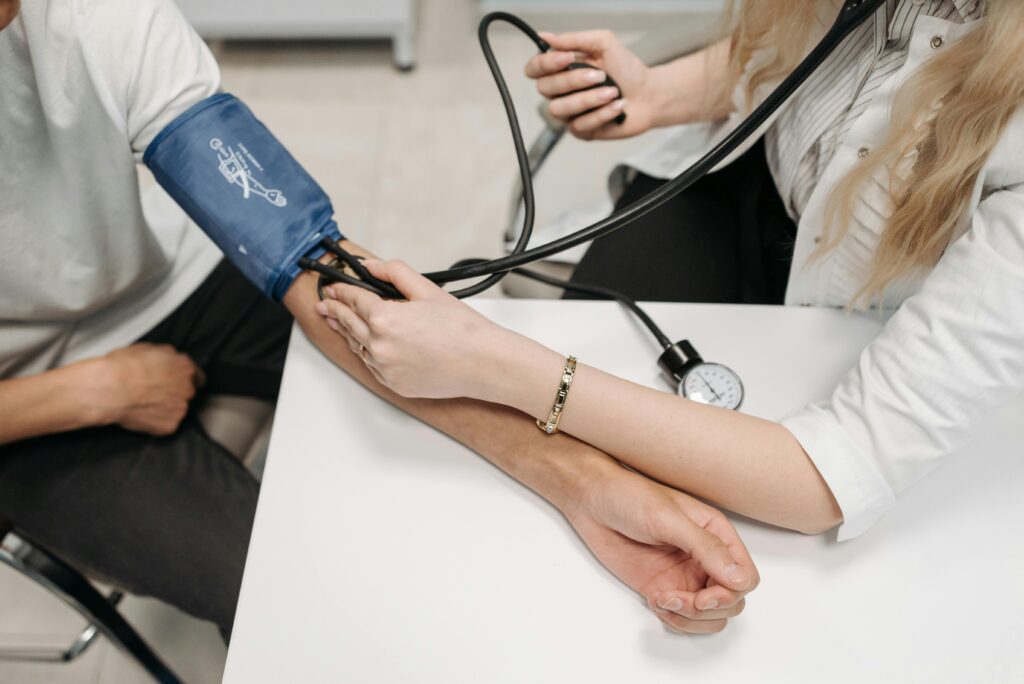
Physical Fitness Certificate 2026 is fast becoming a crucial requirement for adults seeking career stability, preventive health, and verified fitness credentials. Physical health has moved far beyond personal appearance or gym routines. Modern society now treats fitness as a measurable responsibility, especially as work demands, healthcare costs, and longevity concerns continue to rise.
By the year 2026, employers, governments, insurers, and wellness platforms increasingly expect individuals to prove physical readiness, not just claim it. A simple question drives this change:
Are you medically and physically fit to perform daily and professional tasks safely?
That expectation has placed the physical fitness certificate at the center of modern health documentation—particularly for adults over 30 who want sustainable fitness, career stability, and long-term independence.
What Exactly Is a Physical Fitness Certificate?
A physical fitness certificate is an official medical document confirming that a person meets basic physical and health standards required for work, sports, or daily activities.
Medical professionals issue this certificate after evaluating:
- Heart rate and blood pressure
- Body composition and BMI
- Basic strength, mobility, and endurance
- Overall medical safety for physical activity
Because this verification comes from an authorized source, it carries legal, professional, and medical credibility.
Why Demand Is Rapidly Increasing in 2026
Several global trends explain the growing importance of physical fitness certification:
- Employers now link productivity with physical health
- Lifestyle diseases are appearing earlier in life
- Corporate wellness programs require verification
- Governments emphasize preventive healthcare
- Fitness careers face stronger regulation
Together, these changes shift fitness from opinion to documentation-based proof.
Lifestyle Decline After 30: The Hidden Driver
Daily routines after 30 often involve prolonged sitting, reduced movement, poor recovery, and inconsistent nutrition. Over months and years, these habits silently reduce strength, joint health, and metabolic efficiency.
Diet plays a critical role in this decline. Many adults unknowingly make mistakes that slow recovery and increase fat storage, as explained here:
👉 Nutrition Mistakes After 30
https://fitnessafterthirty.com/nutrition-mistakes-after-30/
Early assessment through fitness certification helps identify risks before they become chronic conditions.
Major Benefits of Having a Physical Fitness Certificate
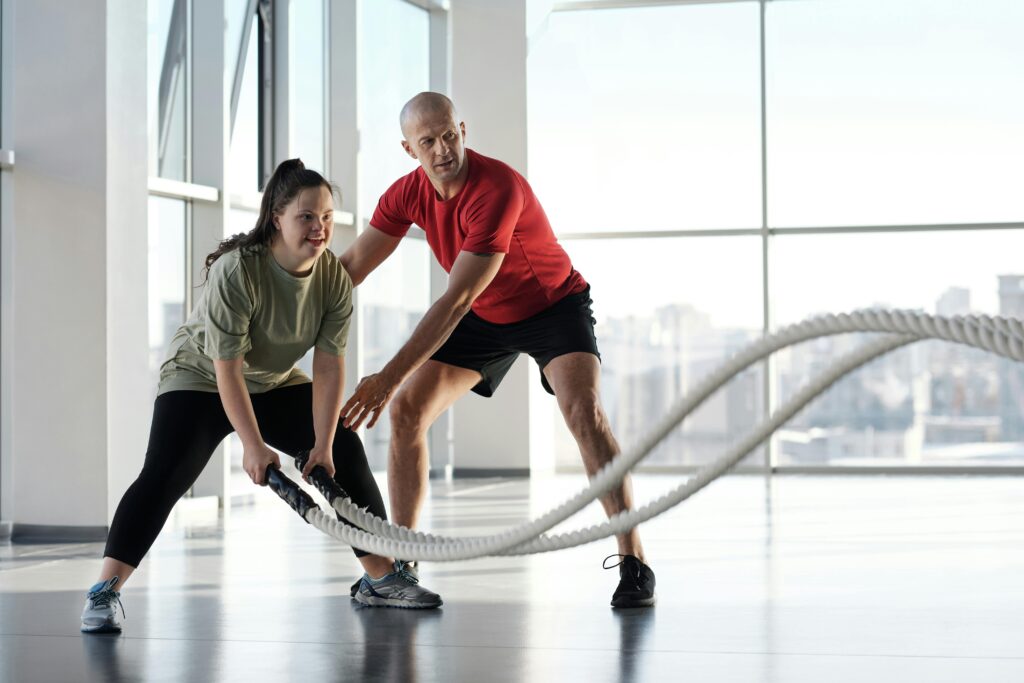
Career Readiness and Job Security
Many roles now require health clearance. Government jobs, defense roles, and physically demanding positions increasingly reject applicants without valid certification.
Being prepared in advance prevents last-minute disqualification.
Professional Trust in the Fitness Industry
Fitness trainers and coaches rely heavily on credibility. Clients trust instructors who demonstrate both knowledge and physical capability.
Strength-based training principles discussed here reinforce that trust:
👉 Strength Training After 30
https://fitnessafterthirty.com/strength-training-after-30/
Certification confirms that your body can safely support what you teach.
Preventive Health Awareness
Medical fitness checks often reveal warning signs long before symptoms appear. Detecting high blood pressure, mobility restrictions, or endurance issues early allows corrective action.
Consistency, Discipline, and Motivation
Official evaluation creates accountability. Once progress is measurable, consistency naturally improves, and long-term habits become easier to maintain.
Sustainable routines outlined here support that process:
👉 How to Stay Fit After 30
https://fitnessafterthirty.com/how-to-stay-fit-after-30/
Who Needs a Physical Fitness Certificate in 2026?
This document benefits far more than athletes alone.
Individuals who gain the most include:
- Government job candidates
- Fitness professionals and trainers
- Corporate employees with physical roles
- Defense and security personnel
- Adults over 30 focused on longevity
Office professionals, in particular, benefit when targeting fat loss and mobility improvement:
👉 How to Lose Belly Fat After 30
https://fitnessafterthirty.com/how-to-lose-belly-fat-after-30/
How the Certification Process Works in 2026
Obtaining a physical fitness certificate usually follows a simple process:
- Visit an authorized medical facility
- Complete a physical examination
- Undergo basic fitness and health checks
- Receive certification if medically cleared
Most applicants complete the process in a single visit.
Validity Period Explained
A physical fitness certificate typically remains valid for 6 to 12 months. Certain employers or institutions may request a more recent version issued within 3 to 6 months.
Fitness Certificate vs Trainer Certification
These documents serve different purposes:
| Aspect | Physical Fitness Certificate | Trainer Certification |
|---|---|---|
| Focus | Health clearance | Professional skills |
| Issued by | Medical authority | Fitness institute |
| Purpose | Safety verification | Client training |
| Skill testing | No | Yes |
Fitness professionals benefit most from holding both.
Why Certification Will Matter Even More Beyond 2026
Healthcare systems now reward prevention over treatment. Employers reduce risk through verified fitness. Insurance providers offer incentives for healthier individuals.
Trusted institutions supporting this shift include:
- World Health Organization – https://www.who.int
- CDC – https://www.cdc.gov
- Harvard Health – https://www.health.harvard.edu
- Mayo Clinic – https://www.mayoclinic.org
Looking for reliable tips to stay fit and healthy after 30? Check out the Fitness After Thirty Homepage for expert guidance, practical routines, and advice tailored to adults over 30.
Frequently Asked Questions
Is a physical fitness certificate compulsory in 2026?
Not universally, but it is increasingly required for government jobs, fitness careers, and corporate wellness programs.
Does age matter when applying?
Adults over 30 benefit the most because early detection protects long-term mobility and health.
Is the certificate difficult to obtain?
Most assessments involve basic medical checks and are completed quickly.
Where is it commonly required?
Employment, education, sports participation, visa processing, and preventive healthcare.
Final Takeaway
A physical fitness certificate represents responsibility, preparedness, and long-term thinking. In a world that values verified health, proving fitness is no longer optional.
Explore more evidence-based guidance here:
👉 https://fitnessafterthirty.com/blog/
👉 https://fitnessafterthirty.com/home-page-fitnessafterthirty-com/
5 thoughts on “Physical Fitness Certificate 2026: Why You Need It”